Tag Archives: Jack Kerouac

Road Trip: Monterey

19 Nov

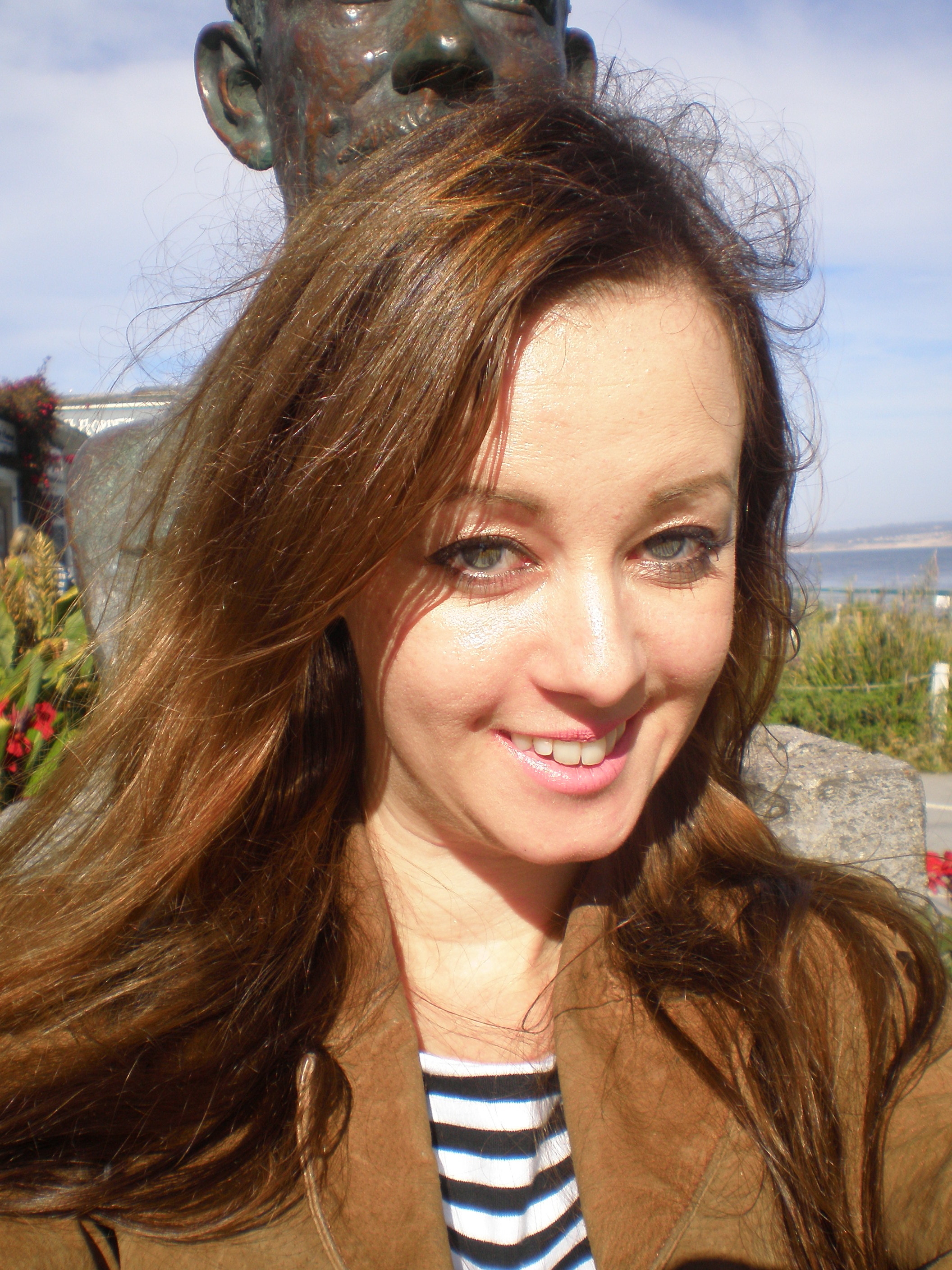
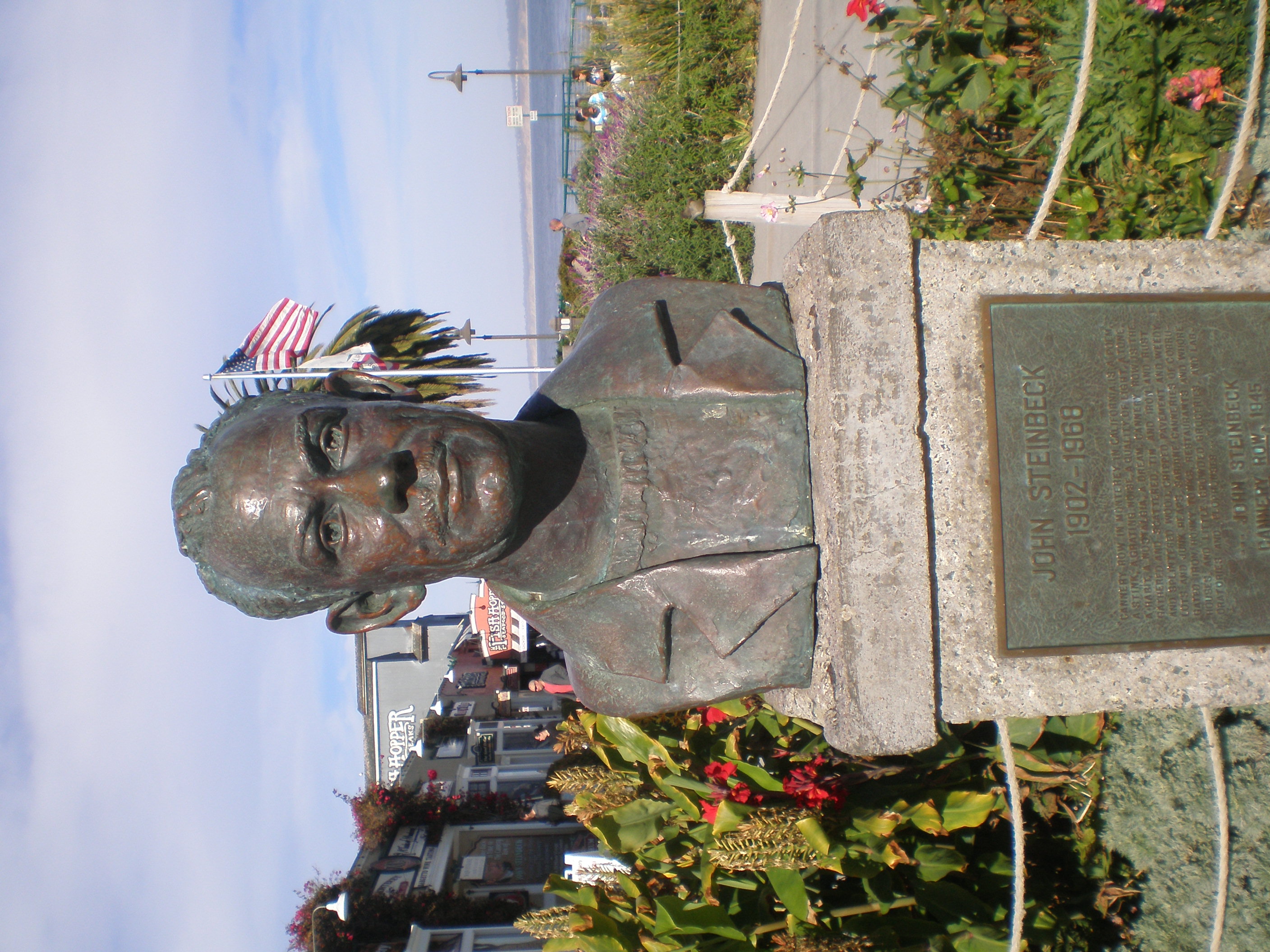
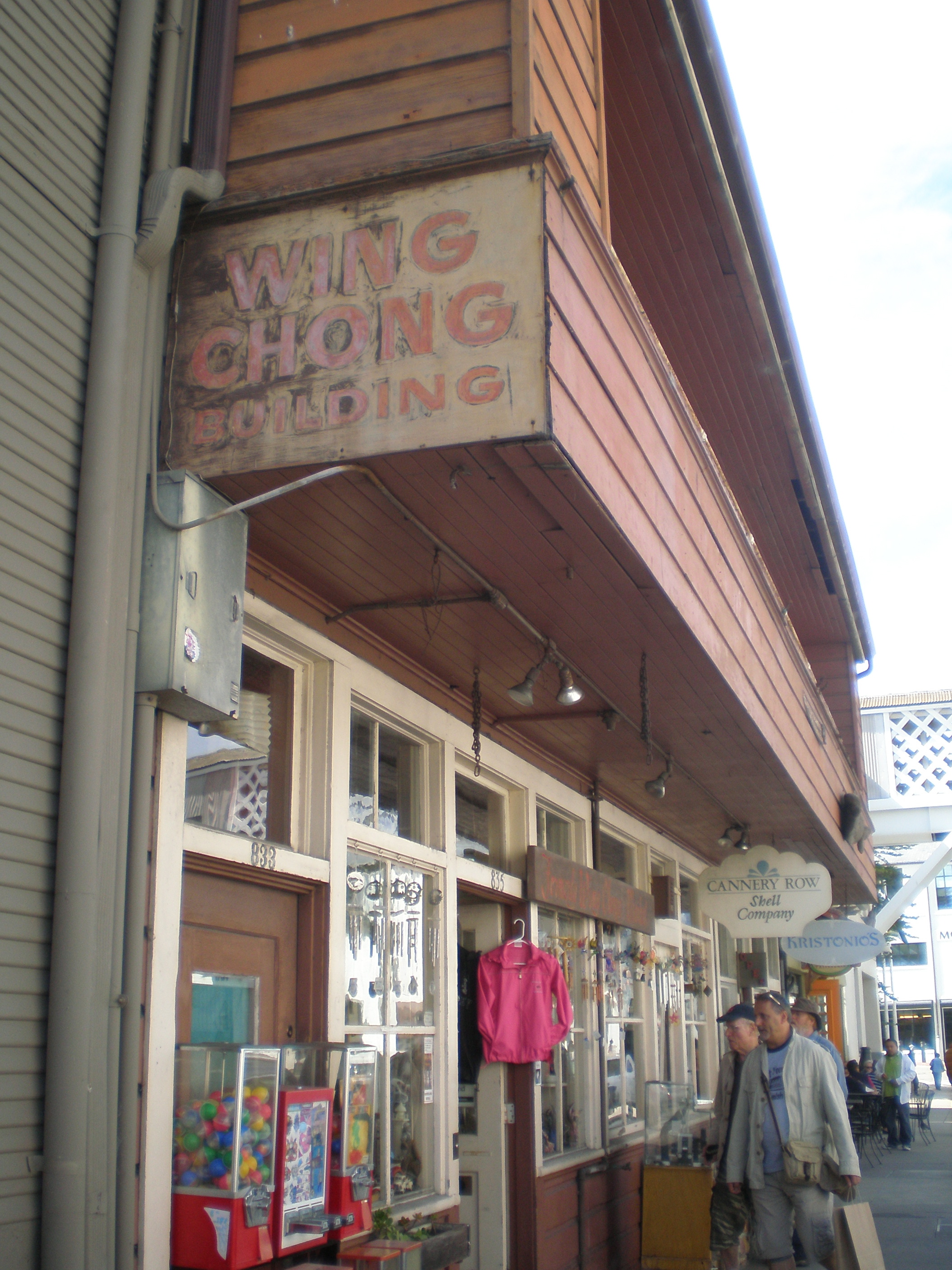
Most people associate John Steinbeck with Monterey.  Many of his famous novels, including Cannery Row, were set in Monterey.  Not surprisingly, there are many tributes to him in the toursity little town.


Steinbeck photobombing me

Jack Kerouac also wrote about Monterey.  One of the most beautiful passages about Monterey in Big Sur is:

But it is beautiful especially to see up ahead north a vast expanse of curving seacoast with inland mountains dreaming under slow clouds, like a scene of ancient Spain or properly really like a scene of the real essentially Spanish California, the old Monterey pirate coast right there, you can see what the Spaniards must’ve thought when they came around the bend in their magnificent sloopies and saw all that dreaming fatland beyond the seashore whitecap dormat–Like the land of gold–The old Monterey and Big Sur and Santa Cruz magic….


Road Trip: Garlic Capital of the World

16 Nov

The first road trip I ever took to San Francisco was with my best friend on spring break during college.  As we were driving up from LA, she pointed out Gilroy, telling me that that’s where all the garlic is grown.  She told me they even had a garlic festival!

Here’s a bit about Gilroy, California:

Gilroy is well known for its garlic crop and for the annual Gilroy Garlic Festival, featuring various garlicky foods, including garlic ice cream. … Gilroy’s nickname is “Garlic Capital of the World,” although Gilroy does not lead the world in garlic production. While garlic is grown in Gilroy, its nickname comes from the fact that Gilroy Foods processes more garlic than any other factory in the world; most pickled, minced, and powdered garlic come from Gilroy. 

Garlic ice cream?!  Uh, no thanks.  Although I have had olive oil ice cream, and it was amazing.  I do love garlic, though.  So naturally when my recent road trip from San Francisco to Monterey and back passed by Gilroy, I had to get out and take some photographs.


If Jack Kerouac’s road trip sustenance was all about apple pie, perhaps mine was about gaaaaaaahhhhhrlic!

If you have any good recipes for dishes with garlic, let me know!

Road Trip: The Salad Bowl of the World

15 Nov

One of the reasons I was excited to travel the California coast from San Francisco to Monterey was because we’d pass Salinas.  John Steinbeck and Jack Kerouac wrote about Salinas Valley.  Steinbeck’s Of Mice and Men was set in Salinas.  In 1960, Kerouac published a piece called “The Vanishing American Hobo” in Holiday magazine, which in part said:

I myself was a hobo but only of sorts, as you see, because I knew some day my literary efforts would be rewarded by social protection — I was not a real hobo with no hope ever except that secret eternal hope you get sleeping in empty boxcars flying up the Salinas Valley in hot January sunshine full of Golden Eternity towards San Jose where mean-looking old bo’s ‘ll look at you from surly lips and offer you something to eat and a drink too — down by the tracks or in the Guadaloupe Creek bottom.  

Kerouac also wrote about Salinas in Big Sur.  Even though it was in Selma, California (called Sabinal in the novel) — the Raisin Capital of the World — that Kerouac wrote about picking crops with “the Mexican girl,” Terry, in On the Road, I imagine it to be very much like Salinas.

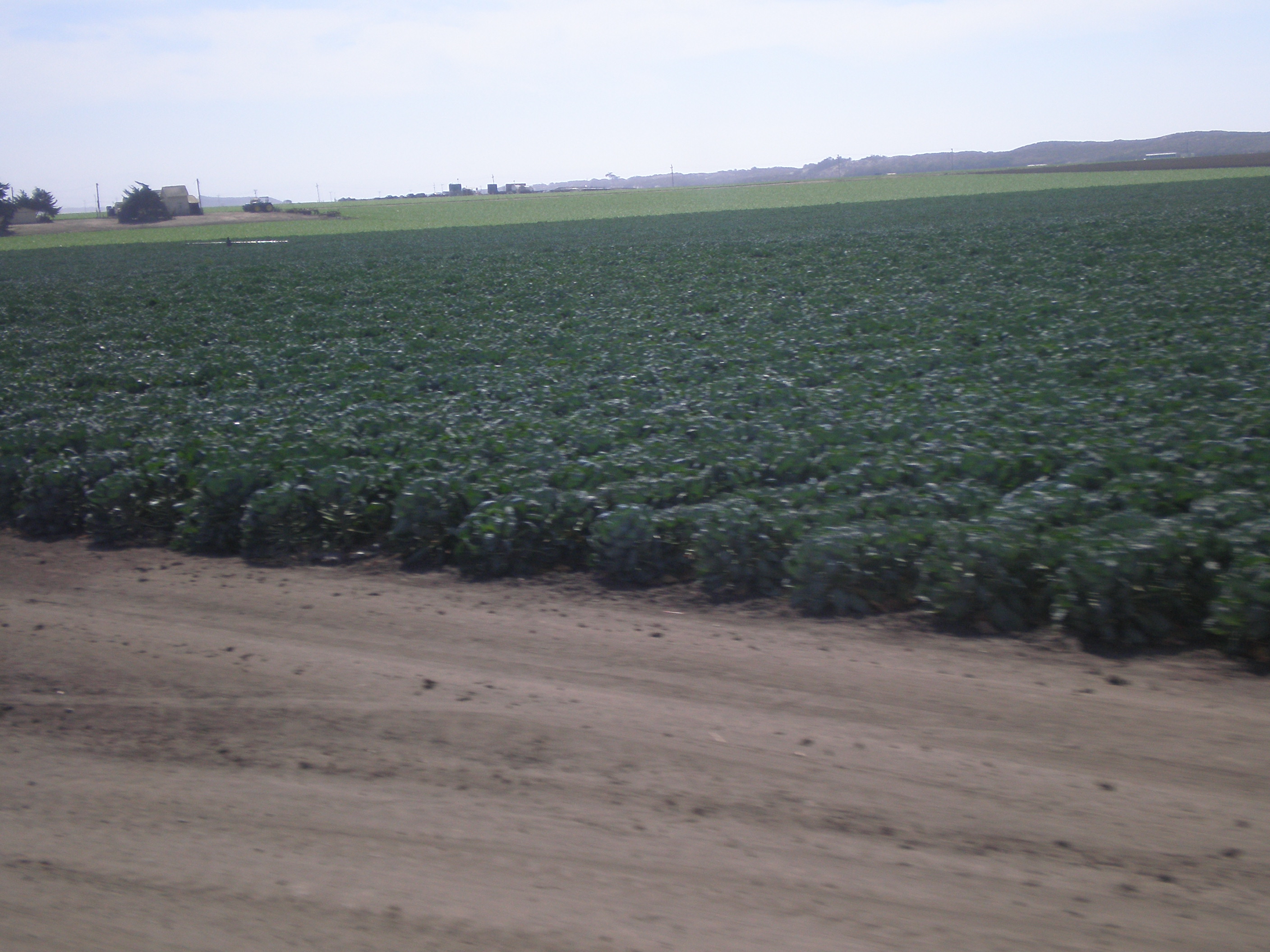
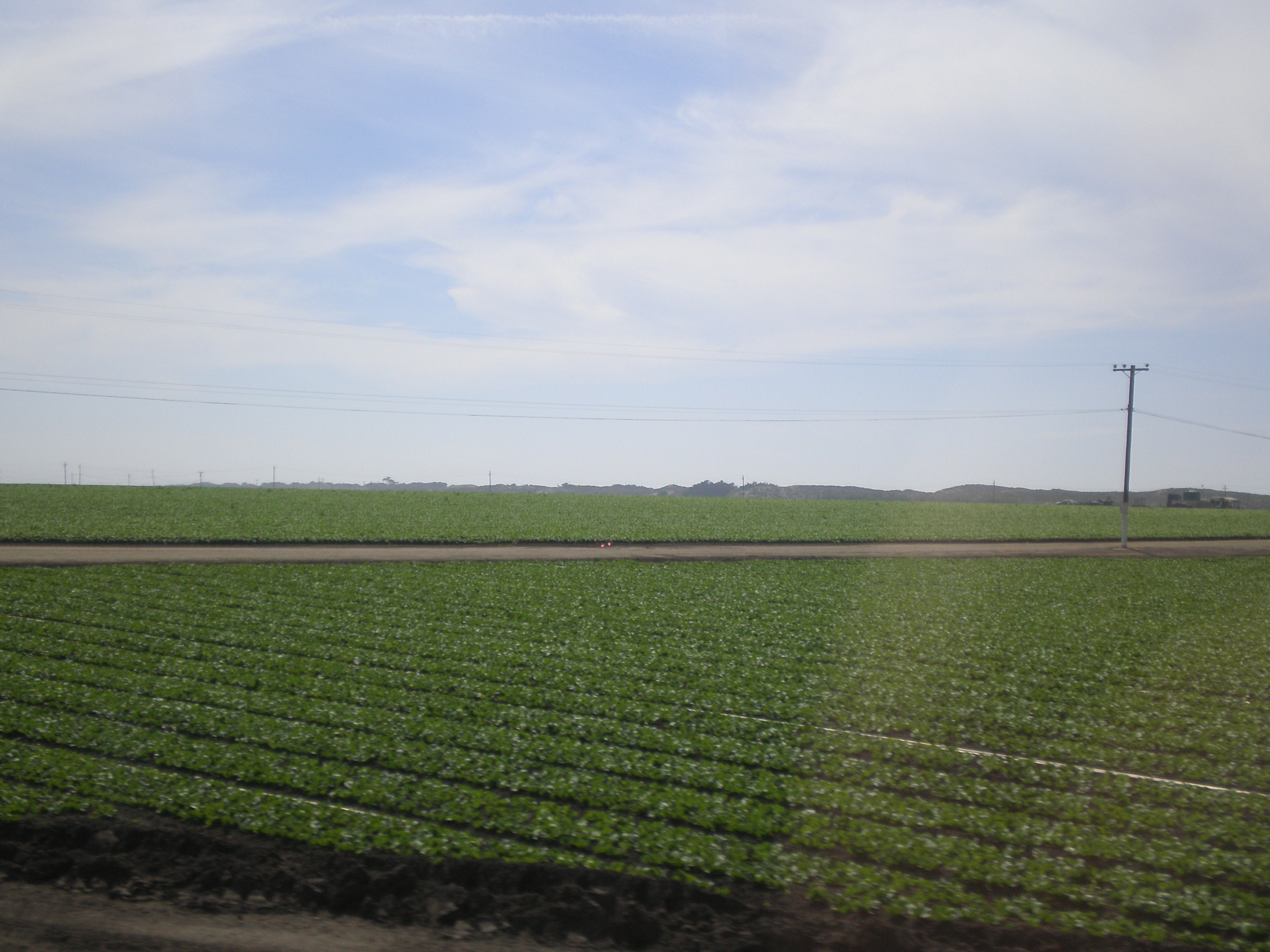
The Salinas Valley, which begins south of San Ardo, and runs all the way to Monterey Bay, is known as “the Salad Bowl of the World.”  Most of the green salad produce you eat in the US comes from the Salinas Valley.  Named during California’s Spanish colonial period, Salinas means a salty lake or marsh.  The climate and growing conditions make the valley particularly fertile.

I saw signs promising 7 avocados for $1.  Do you know how much I pay for an avocado here in New York City?  $2 for a single avocado!  I was super excited — “stoked” to use the lingo I picked up while living in Cali (yes, people really talk like that there).  However, in keeping with the everything-going-awry theme of the trip, we did not get to make the stop because our bus had broken down earlier on the trip and we were already two hours behind schedule.  I took these photos from the window of the bus.

She Threw Out Her Cell Phone and Packed On the Road

13 Nov

This young woman gets up to the microphone.  She speaks confidently but not in a rehearsed manner as she tells her story.   She’s been in New York City only for a few months now, since sometime this summer.  Unlike many people, she wasn’t intent on staying here.  New York City wasn’t her dream destination.  She had run away from home.  Her plan was to flee the East Coast for the West.  Californ-i-a.  She packed her bags and hit the road.  Along the way, she met a guy and became involved with a church in Manhattan.  She decided to stay.  She decided to share her story with others.

Afterwards, I approach her.  I want to know more.  Why had she left, throwing out her cell phone so no one could even get in touch with her?  Has she reconciled with those she left behind?  She answers my questions and asks about the book — Burning Furiously Beautiful — I had read from at the same microphone as her.  She tells me that of the few possessions she packed with her when she left home, one of them was Jack Kerouac’s On the Road.

Jack Kerouac and NaNoWriMo

8 Nov

Jack Kerouac claimed to have written On the Road in three weeks.  That’s only partly true.  My coauthor, Paul Maher Jr., and I tell the less marketable but more realistic story in Burning Furiously Beautiful: The True Story of Jack Kerouac’s On the Road.

Part of the way Kerouac wrote his novels was to sit down at a typewriter and write, write, write til the story was told.  There’s something to be said about this.  The intensity of writing a whole novel in a short time span drives the work.  It’s so easy as an author to get distracted, to start something and never complete it, to get so caught up in getting syntax correct that the story never moves forward.  The “backspace” button on the computer keyboard is all too familiar to most authors, struggling as self-editors.  We want to get it right.  Sometimes this happens at the expense of getting it done at all.

While many would disagree, some authors believe that the key to writing is to push out a first draft.  Once the backbone of the story is there on the page, the author can always go back and edit it.  Most times, the editing process is the longest and most arduous.  Whole sections are moved or deleted.  Characters are killed off if they’re not important.  Diction is tightened.

I decided to participate in NaNoWriMo — National Novel Writing Month — this year to gain a better sense of what Kerouac went through when he wrote his books.  Call it “method writing” to understand the subject of my book better.

Road Trip: Nightmare of a Trip

31 Oct

Happy Halloween!  I’ve been recounting some rather nightmarish road trip tales for you — the tour I booked not going all the way to Big Sur, the bus breaking down, not being able to stop and pick up 7 avocados for a dollar in Salinas, my road trip essentially going awry.  Oh, the horror!  I know, I know.  White girl problems.  But really it all just added up to be one semi-disastrous trip.  Here’s what I didn’t tell you:

  • my friend and I spoke on the phone about getting tix together, she sent me an email confirming the arrival time was okay, I booked my flight … and then she told me she wasn’t coming after all
  • my other friends had planned their trip in reverse of mine, arriving the day before the wedding and then staying a few days after I left, so I didn’t get to hang out with them apart from the wedding
  • the person who’s place I was supposed to crash at was sick so I had to book a last-minute hotel, which would’ve been fine except apparently there were several conferences going on that week so every hotel in the city of San Francisco was at least $400
  • my connecting flight was delayed, so then the shuttle I prebooked said it would only take me if I paid more money
  • the shuttle dropped me off at the hotel, sped away, and then I was left with the realization that the hotel had shut down for the night.  What kind of hotel shuts down??
  • I decided to take the BART on my way back to the airport at the end of my trip, drag all my luggage the 20 minutes from the hotel to the train, only to discuss mass transport doesn’t start running til 8am in SF.  I will miss my flight if I wait an hour for the BART to run.  I call the shuttle company; it won’t pick me up because I don’t have a reservation.
  • I get a cab.  The driver tells me it will cost $120 to get to the airport.  It’s that or miss my flight.
  • We get to the airport and can’t find my airline.  For some reason, it’s in the international flight section of the airport, even though I’m flying SFO to LGA.
  • I’m waiting for my flight to leave, when I get a call from my bank that they’re shutting my card down due to strange charges.

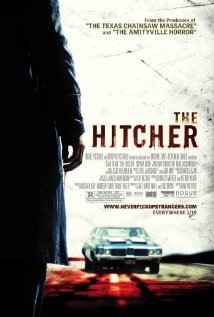
Okay, so my trip wasn’t the stuff of B horror movies.  It wasn’t the opening of I Know What You Did Last Summer, when a driver hits someone on the road and dumps their body in the ocean.  It wasn’t The Hitcher, where a young couple gives a ride to a hitchhiker and horror ensues.  It wasn’t The Texas Chainsaw Massacre, where a group picks up a stranger on their way to gravesite and then are stalked by, well, a guy with a chainsaw and his cannibal family.  And it wasn’t Urban Legends, where a college coed is driving along and suddenly a guy pops up in the back seat!

See, back when Jack Kerouac was taking road trips in the 1940s and ’50s, hitchhiking was pretty commonplace.  It was never really the ideal or safest way to travel, but it wasn’t as scary as it is today.  Today, horror movies are moral tales that warn drivers to always  check the perimeter and interior of their car before getting in and to not pick up strangers.  Parents not only forbid kids to hitchhike but also have to warn them about getting too close to cars in general.  Currently in the area in which I grew up in New Jersey, there’s a man who’s been trying to lure kids into his car.  There have been at least 17 luring attempts in Bergen County recently, and some New Jersey towns are considering a Halloween curfew.

Have a happy and safe Halloween!  What’s your favorite horror movie road trip?

Prepping for Hurricane Sandy

28 Oct


Just got word that the MTA is shutting down at 7 tonight for Hurricane Sandy.  Doesn’t make much difference to me.  I’ve been stuck sick in bed for two days.  Yesterday, started out well enough.  I went to Barnes & Noble and got a Pumpkin Spice latte and Dutch Apple cheesecake and then braved the grocery store.  Grocery shopping in New York City is always a nightmare with too many people and tight aisles, but yesterday was nuts as people were preparing for the storm.  It was like trying to shop the day before Thanksgiving.  I bought ingredients to make broccoli soup from a recipe out of one of the cookbooks I edited and fortunately made it before I got to feeling too sick so now I don’t have to cook at all.  I can just sit in bed and watch a million episodes of Color Splash, my favorite interior decorating show, and dream up my perfect home.

Are you prepared for Hurricane Sandy?

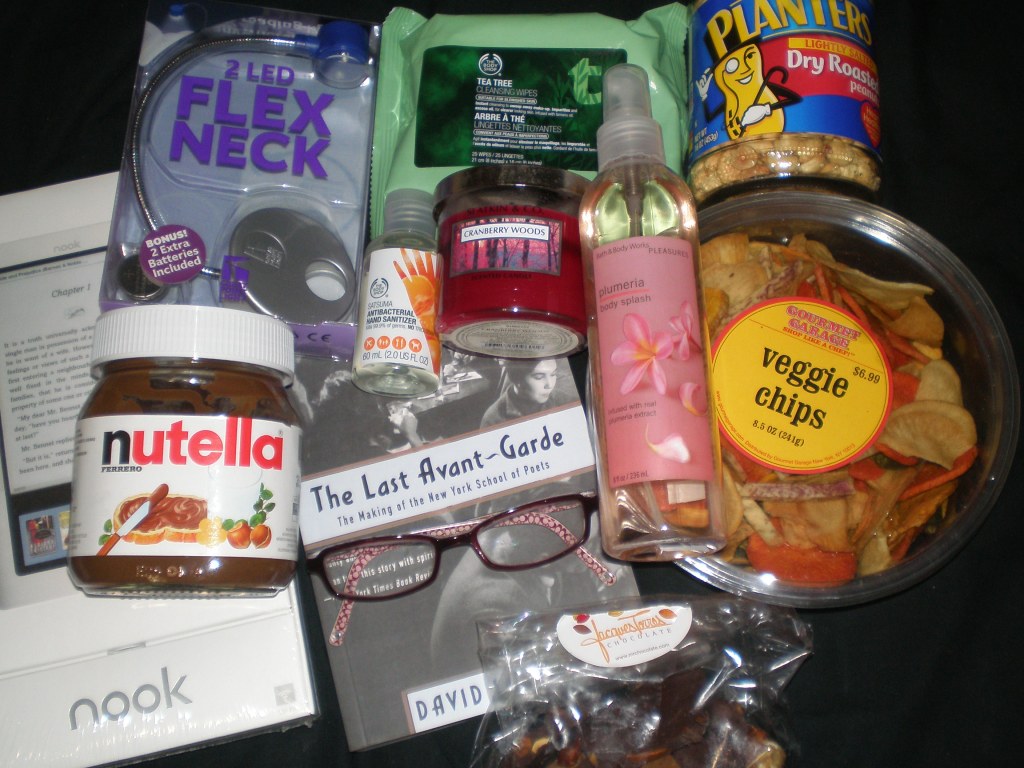
If you’re like me and totally unprepared for any sort of emergency and don’t own a flashlight, shame on you!  By now, all the flashlights are gone.  Even finding candles in the drugstores is getting hard.  Get creative.  Barnes & Noble* sells a wide variety of battery-operated reading lights.  Just because it’s for reading, doesn’t mean you can’t use it to find your can opener if the lights go out.

While you’re there, pick up the Barnes & Noble* ereader the nook if you don’t already have one.  Charge it up pronto and download some books.  If the power is out for a long time, you’ll have plenty of reading material.  My book recommendation is Jack Kerouac’s Dr. Sax perfect for Halloween.

It’s still a good idea to have some candles on hand.  If you can’t find any at the drugstore or grocery store, that’s okay.  Class it up with some scented candles from Bath & Body Works.  I picked up the Cranberry Woods and Lemon ones during their 2-for-1 sale.

Speaking of scents, if we don’t have access to water that means you won’t be able to shower.  I suggest some perfume or body splash to keep you smelling fresh.  I’ve got Bath & Body Works‘ Plumeria body splash (which always makes me think of my Hawaiian friend from undergrad).

Now you may not be able to wash your hair but you can use an oil-absorbing dry shampoo.  I’ve used the TRESemme dry shampoo with mixed results.  That said, I do favor their regular shampoo and condition.  And, they don’t test on animals.

Another great animal- and eco-friendly company is The Body Shop, where I’ve been shopping since middle school.  I love the Tea Tree Oil line, and today stocked up on their cleansing wipes in case I won’t have access to water to wash my face.

While at The Body Shop, I also picked up anti-bacterial hand sanitzers in my most favorite scents satsuma and pink grapefruit.  I normally advise against these sorts of anti-bacterial hand sanitizers because I fear using it will lead to the creation of a resistant super-bug, but hey, you’ve got to have clean hands somehow if there isn’t good old-fashioned soap and water.  Plus these ones smell amazing, unlike some brands that smell like rubbing alcohol.

If you wear contacts, keep your stylish glasses in an easy to locate place.  In fact, make a to-go bag of all your critical necessities (medication, keys, cash, etc.).

Now in terms of food, non-perishables does not have to mean SPAM!  There are lots of great foods that are either non-perishable or that don’t require cooking.  Go Greek with canned domathes, Kalamata olive spread, raw almonds, honey on bread, and sesame candies.

How are you staying storm stylin’?


*I work for a subsidiary of Barnes & Noble.

Road Trip: Sea Lions and Sea Otters on the Northern California Coast

19 Oct


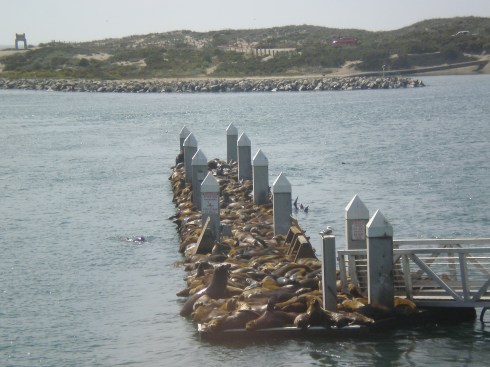
I’m a total sucker for cute animal videos, and a while ago I came across this video of a sea lion that falls in love with a woman on the beach.  I’m not sure where it was filmed, but I thought of it when I spotted sea lions while road tripping down Highway 1.

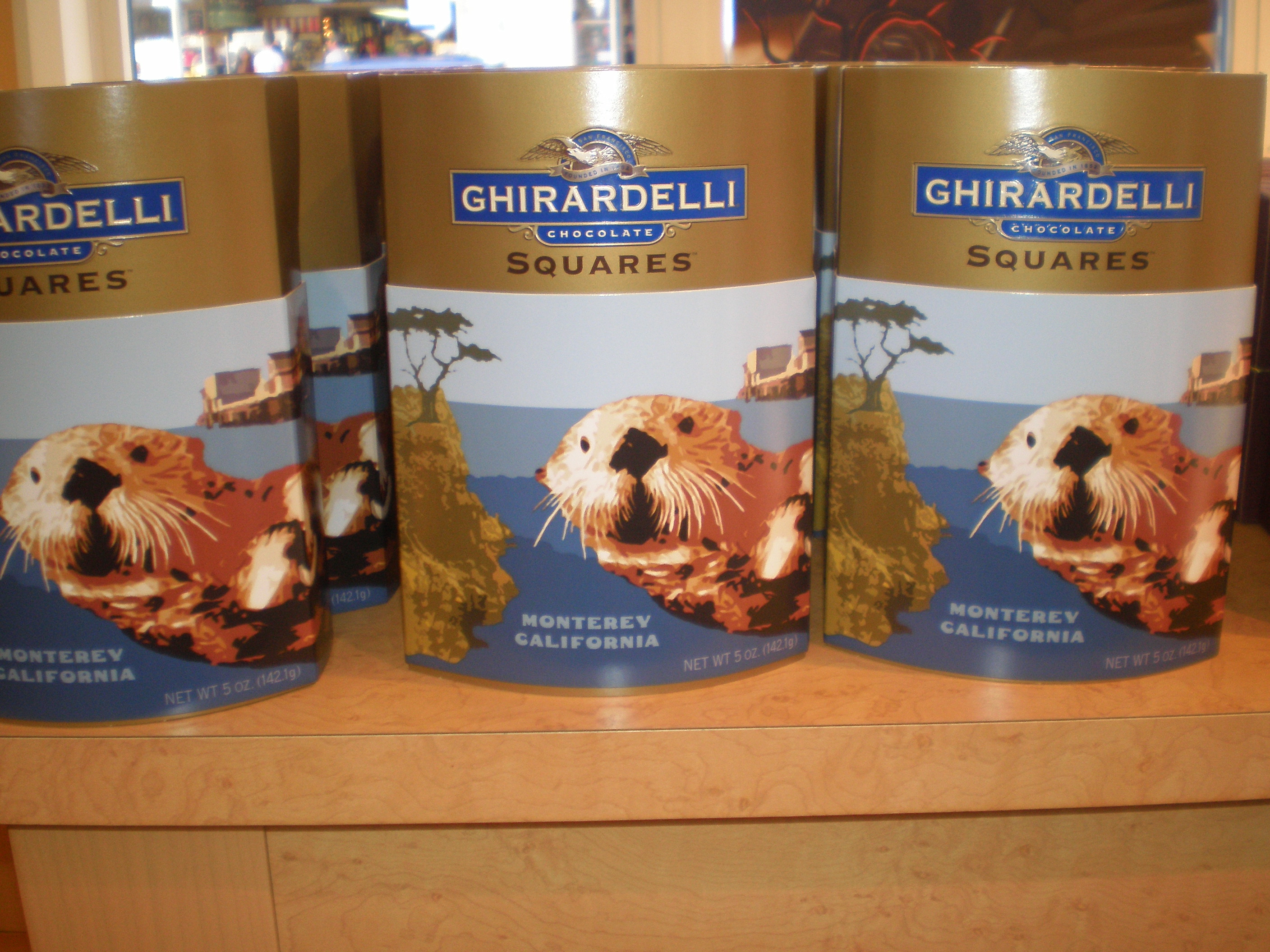
Even cuter than sea lions, though, are sea otters, which are also native to that magnificent stretch of Northern California coastline.  Unfortunately, the lives of sea otters have been in danger due to disgusting toxins flushed into the ocean.  The Sea Otter Alliance is a good resource for finding out more about these adorable animals.  The Monterey Bay Aquarium offers helpful information on California coastal protection, sustainable seafood, and saving sea otters.  According to the Monterey Bay Aquarium website’s sea otter page:

Southern sea otters once ranged from Baja California to the Pacific Northwest. But by the 1920s they were considered extinct due to intensive hunting. They were listed as “threatened with extinction” under the Endangered Species Act in 1977. But despite decades of federal and state protection, the population of southern sea ottersAnimal Guide(Enhydra lutris nereis) which resides along the California coast, struggles to survive at a fraction of its historic numbers, estimated at 16,000-20,000 animals. No one knows why the population isn’t recovering. Pathogens and parasites, possibly linked to coastal pollution, can weaken otter immune systems. And the risk of a major oil spill remains a serious threat.


Jack Kerouac obsessed over the death of a sea otter in his novel Big Sur.  After On the Road became such a huge success that fans were literally arriving on Kerouac’s doorstep, the author retreated to nature, staying at his friend Lawrence Ferlinghetti’s cabin in Big Sur.  Kerouac was a man who loved animals, going to the extent of putting out food for wildlife.  He was drinking heavily at the time and the novel documents a dark period in his life.  Death becomes a constant threat, and foreshadows his own premature death, as he sees animals all around him die.  One in particular is a sea otter that washes ashore, which he mentions time and time again in the novel.


Overarching Writing Tip from Big Sur Writers: Don’t Censor Your First Draft

17 Oct

If you’re a frequent visitor to this site, you’re probably a fan of the Beat Generation, which means you’ve probably read Jack Kerouac’s Rules for Spontaneous Prose.  In a recent fit of procrastination, I stumbled upon Henry Miller’s Commandments while browsing the blog a lovely being.  Then through a rabbit hole that began on Poets & Writers, I discovered John Steinbeck’s writing rules on brain pickings.

As I scoured their tips for jewels of wisdom, I considered whether there were any repeating schemes amongst the three authors, who each lived at various points in their career in the Monterey area of Northern California.  The theme that emerges is one of writing with the force of one of the ferocious waves in Big Sur—quickly, spontaneously, wildly, freely, bravely, deeply, purely.

John Steinbeck: Write freely and as rapidly as possible and throw the whole thing on paper. Never correct or rewrite until the whole thing is down. Rewrite in process is usually found to be an excuse for not going on. It also interferes with flow and rhythm which can only come from a kind of unconscious association with the material.

Henry Miller: Don’t be nervous. Work calmly, joyously, recklessly on whatever is in hand.

Jack Kerouac: Composing wild, undisciplined, pure, coming in from under, crazier the better

In other words, while you’re composing, just get it all out there on the page.  Don’t concern yourself with censoring your thoughts, diction, or punctuation.  You can always go back and fix things later, but for the first draft, at least, it’s better to let the story take shape naturally.

I’m generally not the type of person who subscribes to a set of writing rules, mainly because I believe everyone has their own technique and process, but I am a huge fan of lists.

Through Poets & Writers, I also discovered Kyle Minor’s “Advice to My Younger Self” and Margaret Atwood’s advice to writers, through which I consequently found similar lists by Zadie SmithElmore LeonardKurt Vonnegut, and David Ogilvy.

What are your tips for writing?

A Manhattan in Big Sur: Cocktail Recipe for Jack Kerouac’s Big Sur Manhattan

16 Oct

Big Sur tells the story of Jack Kerouac’s alter ego escaping the pressures of fame brought on after the publishing success of On the Road by hiding out at the desolate cabin owned by his friend, City Lights Bookstore owner Lawrence Ferlinghetti (called Lorenzo Monsanto in the novel).  Kerouac had a notorious sweet tooth, perhaps most noticeably evident by all that delicious apple pie a la mode he writes of eating in On the Road.  In Big Sur, his friends point out his taste for a sweet of a different sort—sweet drinks!

Kerouac’s drink of choice in Big Sur is the classic cocktail the Manhattan, which gets its sweetness from vermouth, orange bitters, and a maraschino cherry.  The Manhattan has been called “the drinking man’s drink,” though, probably because of all the whiskey in it.

Here’s the history of the Manhattan, as told by That’s the Spirit!:

Samuel J. Tilden was elected Governor of New York in 1874, and to celebrate, socialite Jenny Jerome threw a party at the Manhattan Club in New York City.  Jerome asked the bartender to create a drink for the occasion. The bartender mixed 1 1/2 ounces bourbon, 1 1/4 ounces each of sweet and dry vermouth, and a dash of bitters. It met with Jerome’s approval and she named the drink the “Manhattan,” after the club.  Jenny Jerome later earned her place in history as she later became Lady Randolph Churchill, mother of Sir Winston Churchill, one of England’s most famous Prime Ministers.  The Manhattan became a classic cocktail that has survived a number of changes over the years and is presently enjoying a comeback alongside its cousin, the Martini.

That’s the most popular version of the story, but of course, like most cocktail history, there are other versions of the story as well.

That said, there are also variations of Manhattans.  It can be made with rye whiskey or bourbon.  Although Big Sur doesn’t specify, Kerouac would probably have preferred the bourbon variety, since rye whiskey is more on the bitter side.  Likewise, there are different types of vermouth: sweet and dry.  The bitters can either be traditional Angostura bitters or Angostura Orange.  Some people add a lemon peel for garnish.

On almost any given page of Big Sur there is a reference to alcohol, as the book documents Kerouac gripped by the disease of alcoholism.  While many culture critics have accused Kerouac of promoting a nefarious lifestyle, Kerouac makes the dangers of alcohol quite plain in Big Sur as he portrays himself in deplorable states of breakdown.  In addition to the maraschino cherry, some bartenders will even add a bit of the cherry juice to the drink.  Yum!

Big Sur also describes Kerouac drinking a lot of port wine.  A Manhattan made with port instead of vermouth is called a Ruby Manhattan.  Since he frequented the famous Nepenthe in Big Sur, though, I’m going to go with their recipe.  It’s quite possible the restaurant has changed its cocktail recipe since Kerouac’s autobiographical novel was published in 1962, but their current Manhattan ingredients includes Makers Mark, sweet vermouth, and blood orange bitters.

Nepenthe doesn’t include the ingredient breakout, but based on other general Manhattan recipes, this is my take on Jack Kerouac’s Big Sur Manhattan:

  • 3 oz. Makers Mark
  • 2 oz. sweet vermouth
  • dash of blood orange bitters
  • a Maraschino cherry as garnish, but while you’re at it add a splash of cherry juice to sweeten

Stir the ingredients over ice, then strain into a cocktail glass (the Martini glass) to serve straight up. Garnish with the cherry.