Tag Archives: New Jersey

Writing Wednesday: Memoirist Patricia Volonakis Davis on How Cultural Identity Changes after Marriage and Moving

13 Jul

Happily ever after wasn’t the case when first-generation Italian Patricia V.–as in Volonakis–Davis married a Greek national.  The author calls her book Harlot Sauce: A Memoir of Food, Family, Love, Loss, and Greece “a tragedy written as a black comedy,” in her interview with Jane Friedman for the article “How to Find a Direct Line to Your Readers” in Writer’s Digest.

In the interview, Davis alludes that her sense of self shifted when she experienced another culture:

…Harlot’s Sauce was about how being raised first generation Italian-American affected my worldview and attitude about myself, then how these both changed as a result of my marrying a Greek national and moving to Greece with him, in an attempt to save our failing marriage.

As a memoirist writing about identity and culture, I’ve often reflected on how being raised Greek American affected my worldview.  For me, though, it wasn’t just about being Greek–it was about being Other.  Or rather, being Something.  I wasn’t just plain Jane American.  My family did not come over on the Mayflower.  I was more than American.  I was Greek American.

However, I did not fully understand this until I moved to California.  I grew up in a pretty diverse town in New Jersey.  Most people were “ethnic.”  When I moved to California, I was suddenly surrounded by blonde-haired, blue-eyed, white Americans.  They weren’t white like I was white, though.  They were American.  Their family had been here for generations.  It was in moving that I came to a better understanding of who I am as a Greek American and who I am as someone who grew up in Northeast America.

I’ve never lived abroad, like Patricia Volonakis Davis did, but I did wander around Europe for about three months one summer, and I gained further understanding of my identity through these travels.  People were quick to make assumptions about my American-ness.  People didn’t really care that I was of Greek descent.  Being raised in America trumped ethnicity in terms of my identity.

It seems to me that identity is fluid.  Depending on where we are and who we’re “comparing” ourselves with, our identity can shift.

For women especially, identity changes with marriage.  Most women still take on their husband’s name, and our names signal a lot about who we are.  For instance, I saw the name Volonakis, and I immediately assumed the author of Harlot Sauce was Greek, even though as it turns out she’s Italian American.  And yet in some ways she became more Greek than I simply by virtue of living in Greece.

I wonder how many women become culturally Other to what they were raised as because of marriage?

Check next week’s Writing Wednesday for more on Patricia Volonakis Davis.
Greek American Film Directory Louie Psihoyos Saves the Whales

7 Jul

Al Gore & co. made it trendy to go green in the millennium.  Back in the mid- to late-19980s, when I was growing up in a small suburb in northern New Jersey, America’s environmental concern was a little more specific.  We all wanted to Save the Whales.  In 1986 the International Whaling Commission banned commercial whaling.

For photographer and documentary film director Louie Psihoyos, that dream apparently never went away.  Psihoyos’ Oscar Award-winning film, The Cove, uncovers the all-too-real tragedy of dolphin hunting.  (Oceanic dolphins are part of the suborder Odontoceti, toothed whales.)

The film director more recently discovered that the Santa Monica sushi restaurant The Hump was using the meat of protected sei whales in their dishes.  Whale meat is illegal in the United States and was being imported from Japan, which is still a whaling nation (along with the Scandinavian countries of Norway and Iceland and the aboriginal communities of Alaska, northern Canada, and Siberia).  The meat was linked back to seafood vendor Ginichi Y. Ohira, who pled guilty for knowingly selling the whale meat for unauthorized purposes.  He faces arraignment in September.  As for The Hump, it closed its doors, saying:

The Hump hopes that by closing its doors, it will help bring awareness to the detrimental effect that illegal whaling has on the preservation of our ocean ecosystems and species. Closing the restaurant is a self-imposed punishment on top of the fine that will be meted out by the court. The Owner of The Hump also will be taking additional action to save endangered species.

One such action will be to make a substantial contribution to one or more responsible organizations dedicated to the preservation of whales and other endangered species.

It’s nice to know that photographer/film director Louie Psihoyos hasn’t given up the cause of saving the whales.

Psihoyos was born in Dubuque, Iowa, one of the oldest cities west of the Mississippi River.  (Note to self: today publishing is one of the fastest-growing industries in Dubuque, Iowa.)   He is the son of  a Greek immigrant who fled the communist occupation of the Peloponnesos region of Greece during World War II.

Check back tomorrow to hear the story of a dolphin myth from the Peloponnesus!

10 mins from the GWB

25 Apr

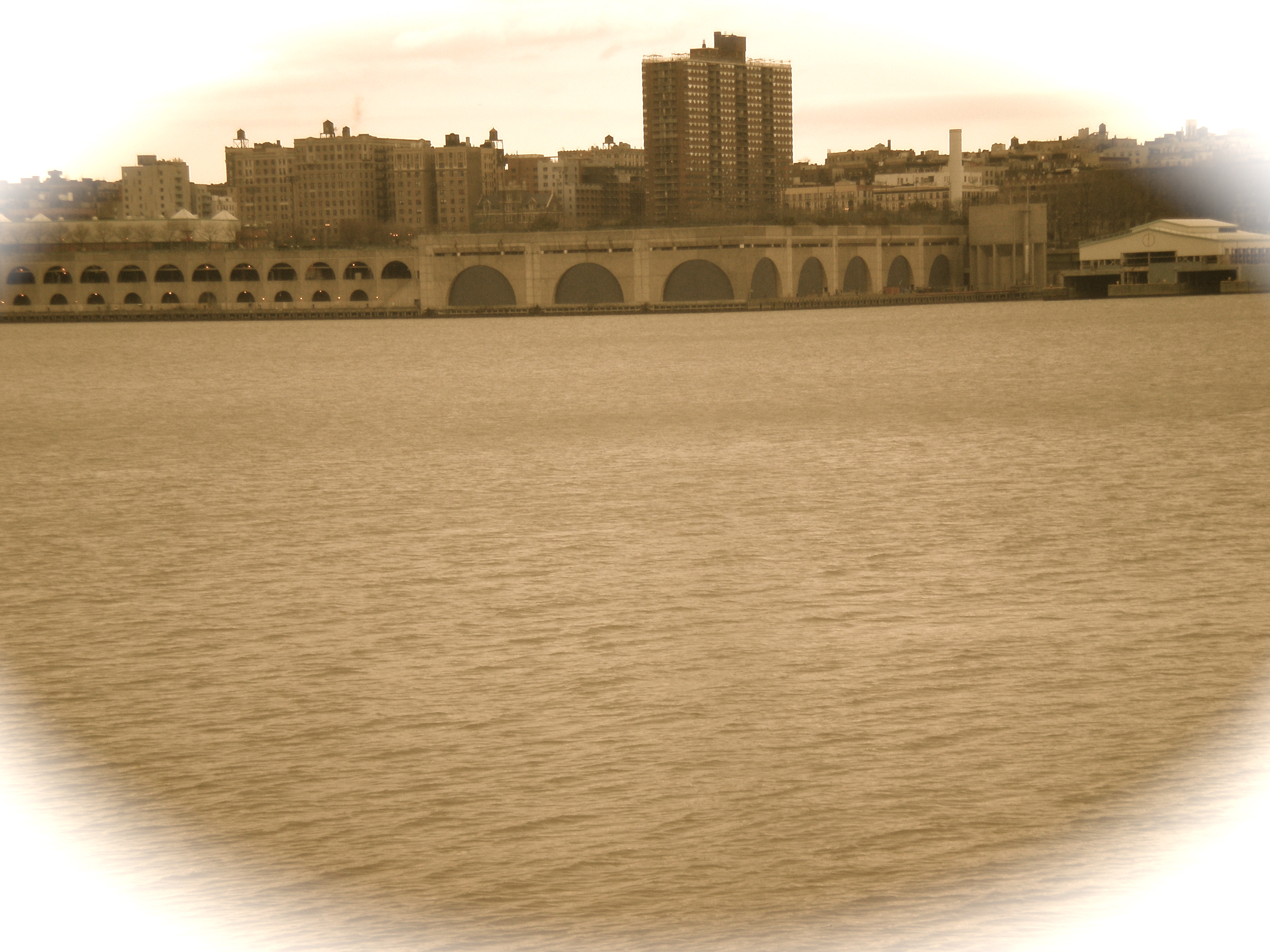
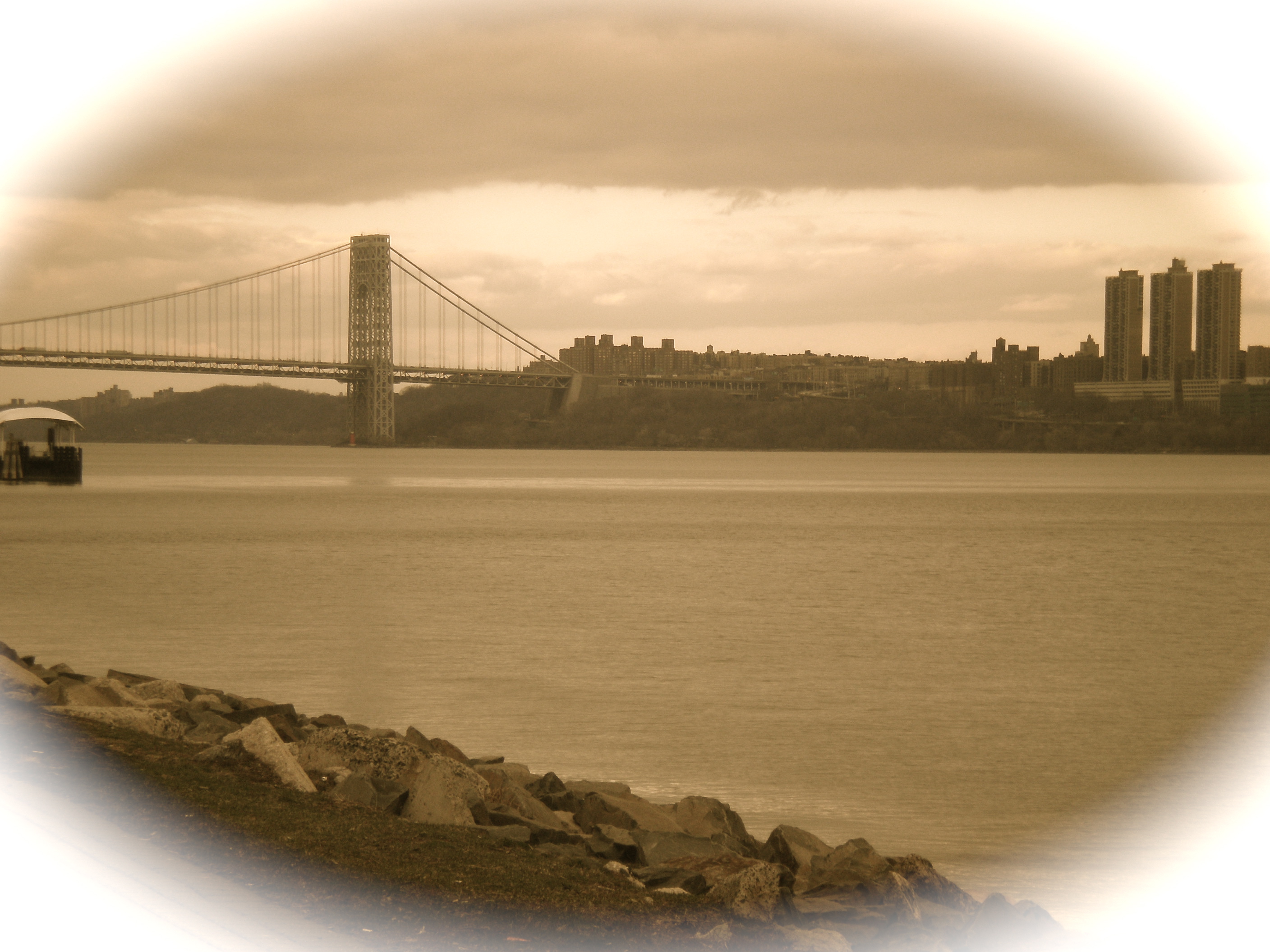
“Ten minutes from the George Washington Bridge.”  That’s how I always described where I grew up.  There was something about growing up in northern New Jersey that made us define our hometown by its proximity to New York City.

Photographs I took of the Manhattan skyline on a recent visit to New Jersey.

Spring Break ’11 Recap: I Got Sick

7 Apr

It’s been go, go, go for the past few months.  When spring break came around, I was so excited for the opportunity relax and have some fun.  I imagined I’d read in the Egyptian room at the Met.  I’d buy fresh veggies at the Union Square greenmarket.  I’d invite friends over for dinner.

Instead, I got sick.  I guess my body knew it could finally take a rest from the manic pace I normally put it through.

Before I got sick, though, I did have some fun.

I went with my sister and my friends Rachel and Fred to the FXB Speed-Networking for a Good Cause event at Sidebar, where I met some really cool people.  FXB, which has been around for twenty years, works to support children affected by poverty and AIDS.  They organize a lot of fun fundraising events for young professionals.

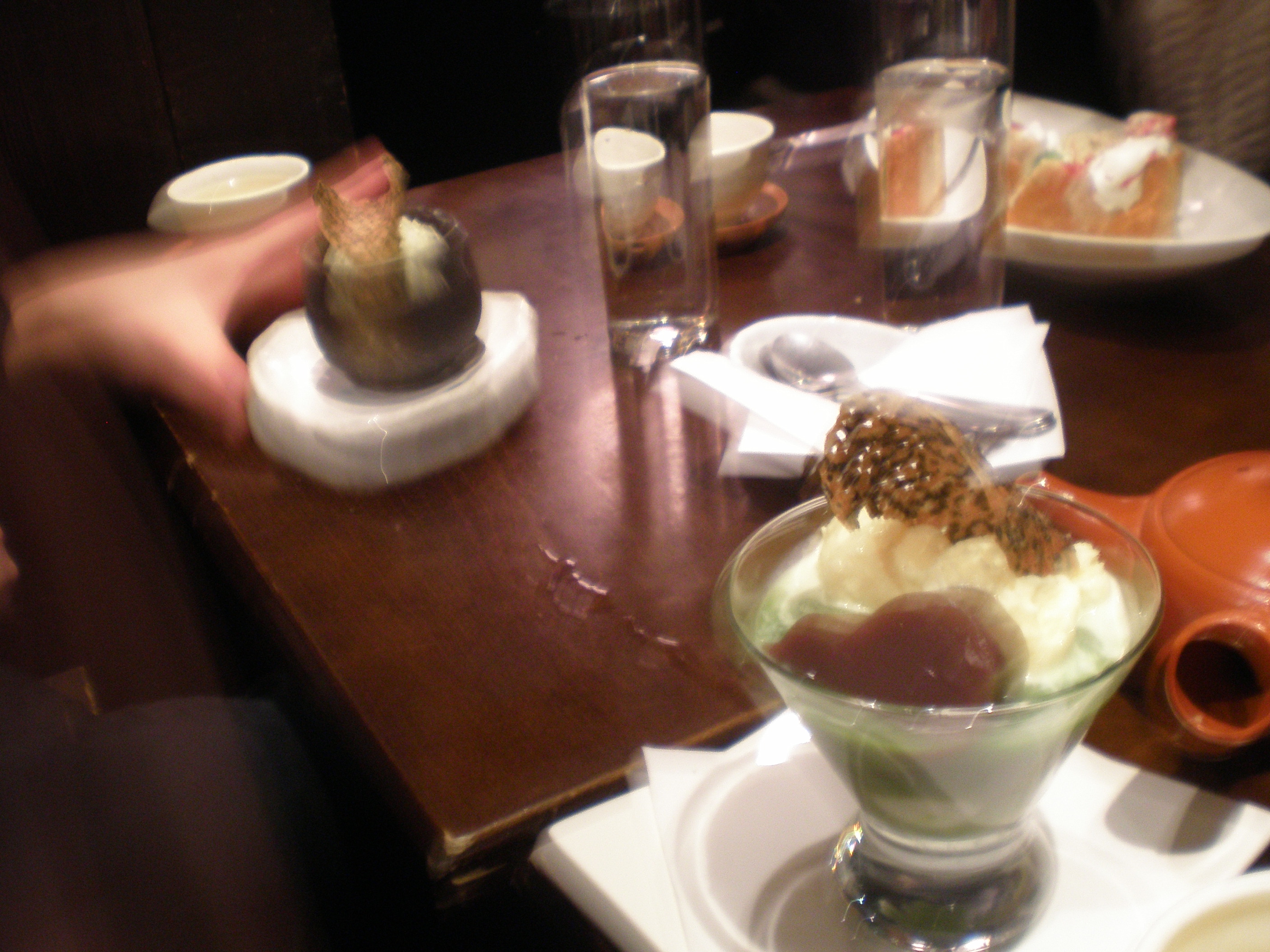
Afterward we met up with our photographer friend Annie and Carly, who was visiting from out of town.  We went to an amazing Japanese restaurant.  I seriously could not get enough of the green beans and corn.

The next day I spring cleaned my apartment. Woot!  Then my friend came over and we ate pizza and chocolate and watched Paper Heart and The Virgin Suicides (which is of course based on the book by Greek-American author Jeffrey Eugenides).

That kick-off weekend I also hopped on the bus and headed over to New Jersey, to have lunch with a friend.  I hadn’t seen her for a few months so we had one of those really good, drawn-out lunches and talked about everything.  So therapeutic.

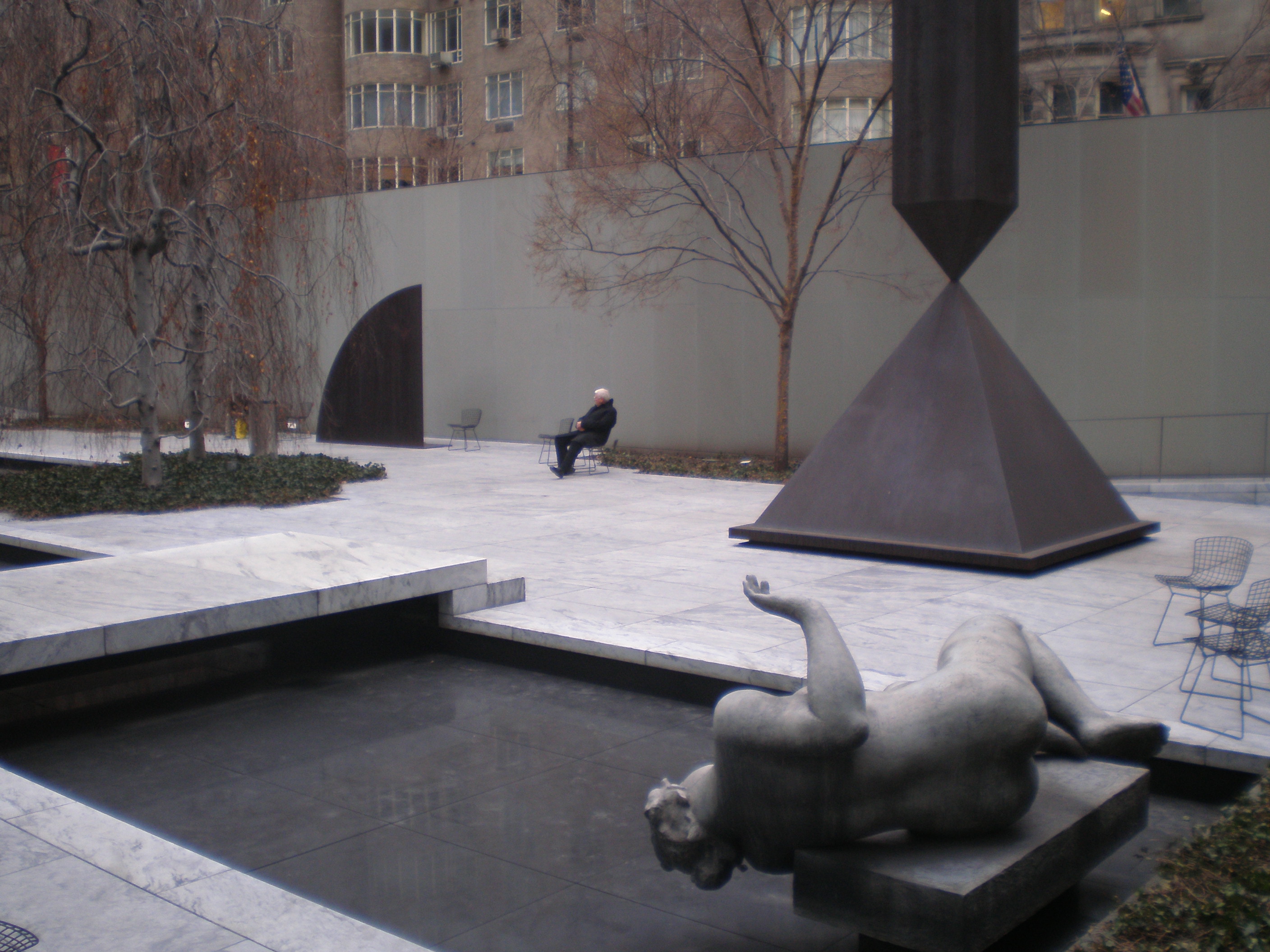
Monday I met up with a friend and fellow Scripps alumna who works at MoMA.  We had lunch and then she gave me a tour of the Pictures by Women: A History of Modern Photography exhibit.  I learned so much more from what she told me than if I had been there by myself.  It was such an inspiring and monumental exhibit.

Then I went to the New York Society for Ethical Culture to hear what all the hoopla was about over Rob Bell and his new book.

By Tuesday I was sick and spent the rest of the time watching films like The Runaways on Netflix and reading Lydia DavisThe End of the Story.

φάε: Spinach & Kimchee Pies — My Childhood in Savory Pastry Form

14 Mar

I grew up in a town in New Jersey that was heavily populated by Korean Americans.  You can imagine my delight then when I stumbled upon a kimchee variation of spanikopita.  It was like my childhood in savory pastry form!

On her ever-popular blog, Not Eating Out in New York, Cathy Erway tells how her friend inspired her to make spanikopita.  When she didn’t have any feta cheese in her fridge to make the spinach pie, she decided on a unique alternative: kimchee.  “I’ll take spicy, briny, tart pickled cabbage over feta this time,” she wrote.


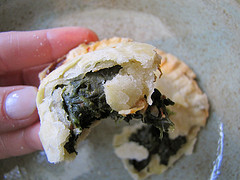
Spinach & Kimchee Pie. Photo via Not Eating Out in New York. Used with permission.

For anyone who doesn’t know, spanikopita is the name of a Greek spinach pie that is made out of delicious layers of phyllo dough, spinach, feta cheese, egg, and onion.  This being the season of Great Lent, I should point out that there is also a vegan version that does not contain cheese.

Kimchee, meanwhile, is a popular Korean dish of fermented vegetables.  The main vegetable is cabbage but it could also have onions and cucumbers in it.  Kimchee is having its moment right now.  It’s being packaged up and branded to the foodie hipster crowd.  The brand Cathy uses in her recipe is her friend Kheedim Oh’s Mama O’s Kimchee, but I also discovered via Joy Deangdeelert Cho’s blog, oh joy!, the brand Mother In Law’s Kimchi, which I then stumbled upon at Whole Foods.

Cathy’s spinach & kimchee pies are not your yiayia’s spanikopita.  She combined the spinach and kimchee and folded it into pastry dough.  Get the full recipe and its health benefits on the Not Eating Out in New York blog.