Tag Archives: California

She Threw Out Her Cell Phone and Packed On the Road

13 Nov

This young woman gets up to the microphone.  She speaks confidently but not in a rehearsed manner as she tells her story.   She’s been in New York City only for a few months now, since sometime this summer.  Unlike many people, she wasn’t intent on staying here.  New York City wasn’t her dream destination.  She had run away from home.  Her plan was to flee the East Coast for the West.  Californ-i-a.  She packed her bags and hit the road.  Along the way, she met a guy and became involved with a church in Manhattan.  She decided to stay.  She decided to share her story with others.

Afterwards, I approach her.  I want to know more.  Why had she left, throwing out her cell phone so no one could even get in touch with her?  Has she reconciled with those she left behind?  She answers my questions and asks about the book — Burning Furiously Beautiful — I had read from at the same microphone as her.  She tells me that of the few possessions she packed with her when she left home, one of them was Jack Kerouac’s On the Road.

Road Trip: By Night

30 Oct

In honor of Cabbage Night and Halloween, I thought it would be fun to post some photos from my road trip that I took at night.  A midnight road trip is deliciously scary.  The moon taunting you from above.  Tree branches that look like claws.  Eerie silence.  On the bus, we watched the psychological thriller Vertigo, directed by Alfred Hitchcock, which was filmed in part at the 17-Mile Drive, which we traveled through on our road trip, but you could listen to an audio recording of a horror story if you have to keep your eyes on the road … and the rearview window!


Road Trip: Pebble Beach Is Not a Beach

23 Oct

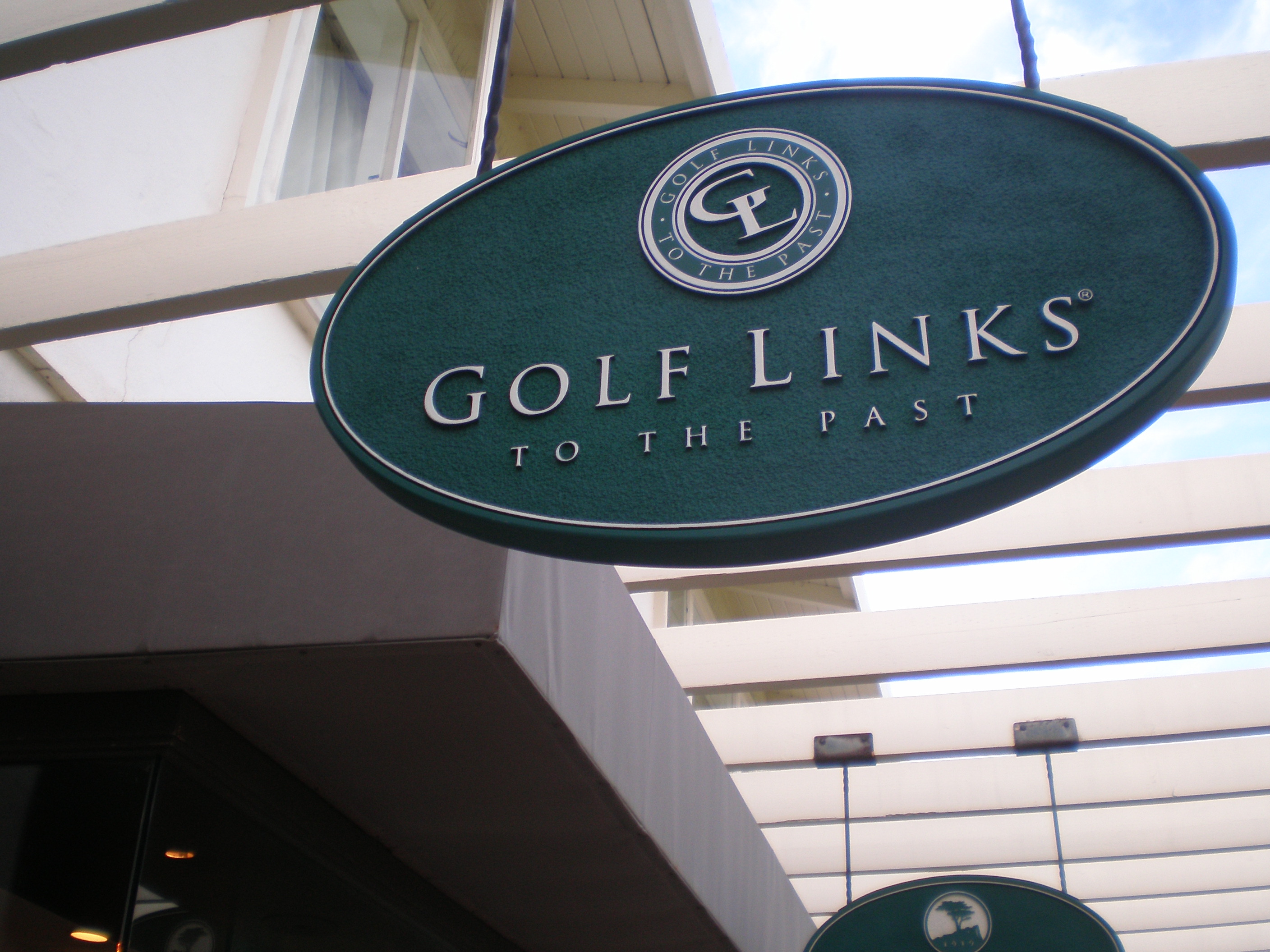
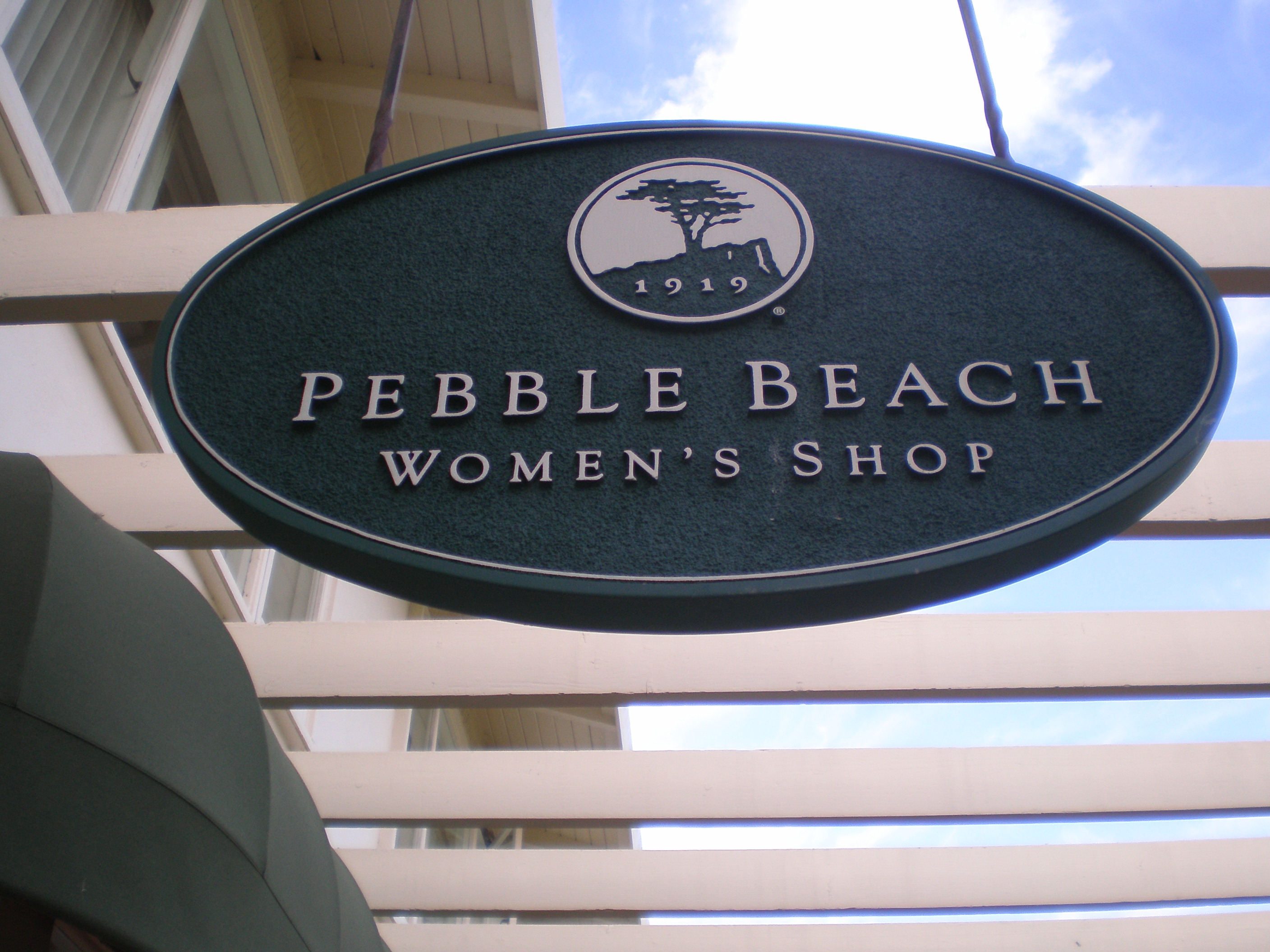
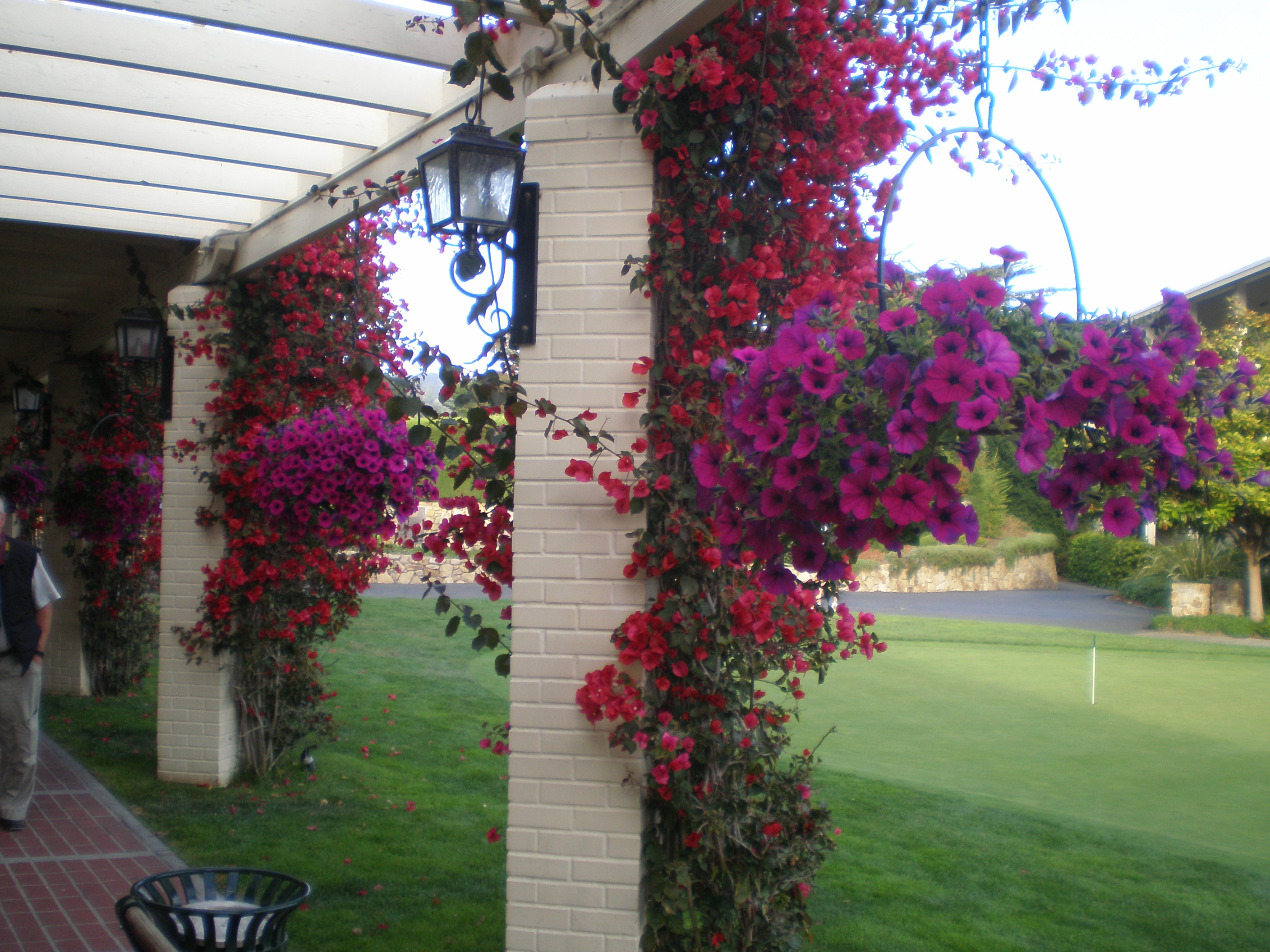
Part of my road trip down the California coast included a stop to Pebble Beach.  As it turned out, Pebble Beach is not actually a beach.  It’s a prestigious place to golf.  I kept seeing everyone take photographs with this clock so I took one too.  I have no idea why.  I know nothing about golf and this clock means nothing to me.


Road Trip: Sea Lions and Sea Otters on the Northern California Coast

19 Oct


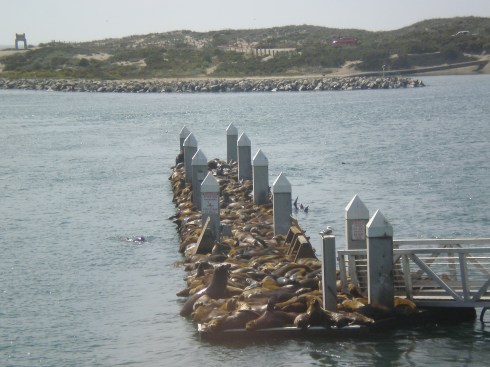
I’m a total sucker for cute animal videos, and a while ago I came across this video of a sea lion that falls in love with a woman on the beach.  I’m not sure where it was filmed, but I thought of it when I spotted sea lions while road tripping down Highway 1.

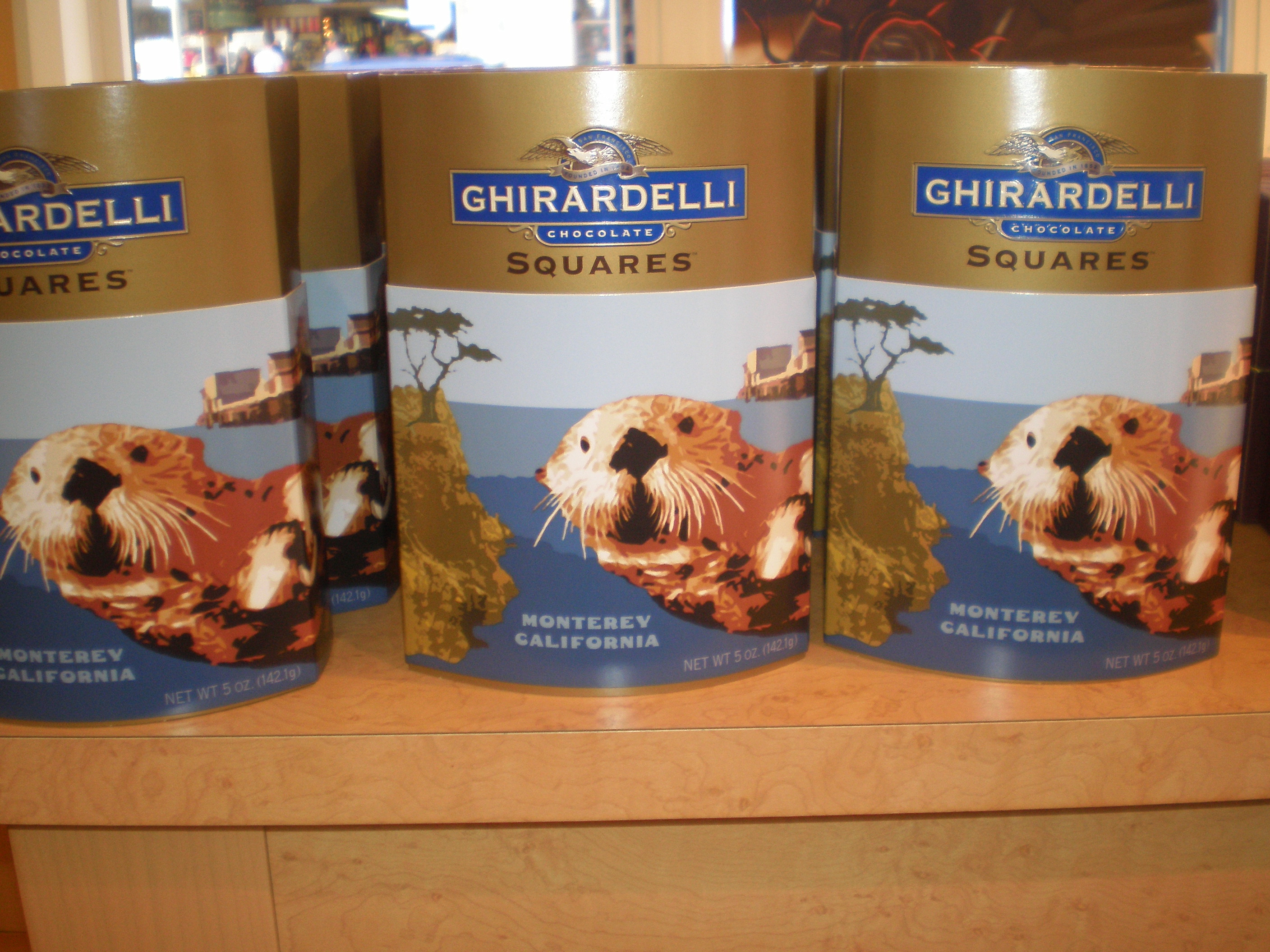
Even cuter than sea lions, though, are sea otters, which are also native to that magnificent stretch of Northern California coastline.  Unfortunately, the lives of sea otters have been in danger due to disgusting toxins flushed into the ocean.  The Sea Otter Alliance is a good resource for finding out more about these adorable animals.  The Monterey Bay Aquarium offers helpful information on California coastal protection, sustainable seafood, and saving sea otters.  According to the Monterey Bay Aquarium website’s sea otter page:

Southern sea otters once ranged from Baja California to the Pacific Northwest. But by the 1920s they were considered extinct due to intensive hunting. They were listed as “threatened with extinction” under the Endangered Species Act in 1977. But despite decades of federal and state protection, the population of southern sea ottersAnimal Guide(Enhydra lutris nereis) which resides along the California coast, struggles to survive at a fraction of its historic numbers, estimated at 16,000-20,000 animals. No one knows why the population isn’t recovering. Pathogens and parasites, possibly linked to coastal pollution, can weaken otter immune systems. And the risk of a major oil spill remains a serious threat.


Jack Kerouac obsessed over the death of a sea otter in his novel Big Sur.  After On the Road became such a huge success that fans were literally arriving on Kerouac’s doorstep, the author retreated to nature, staying at his friend Lawrence Ferlinghetti’s cabin in Big Sur.  Kerouac was a man who loved animals, going to the extent of putting out food for wildlife.  He was drinking heavily at the time and the novel documents a dark period in his life.  Death becomes a constant threat, and foreshadows his own premature death, as he sees animals all around him die.  One in particular is a sea otter that washes ashore, which he mentions time and time again in the novel.


Overarching Writing Tip from Big Sur Writers: Don’t Censor Your First Draft

17 Oct

If you’re a frequent visitor to this site, you’re probably a fan of the Beat Generation, which means you’ve probably read Jack Kerouac’s Rules for Spontaneous Prose.  In a recent fit of procrastination, I stumbled upon Henry Miller’s Commandments while browsing the blog a lovely being.  Then through a rabbit hole that began on Poets & Writers, I discovered John Steinbeck’s writing rules on brain pickings.

As I scoured their tips for jewels of wisdom, I considered whether there were any repeating schemes amongst the three authors, who each lived at various points in their career in the Monterey area of Northern California.  The theme that emerges is one of writing with the force of one of the ferocious waves in Big Sur—quickly, spontaneously, wildly, freely, bravely, deeply, purely.

John Steinbeck: Write freely and as rapidly as possible and throw the whole thing on paper. Never correct or rewrite until the whole thing is down. Rewrite in process is usually found to be an excuse for not going on. It also interferes with flow and rhythm which can only come from a kind of unconscious association with the material.

Henry Miller: Don’t be nervous. Work calmly, joyously, recklessly on whatever is in hand.

Jack Kerouac: Composing wild, undisciplined, pure, coming in from under, crazier the better

In other words, while you’re composing, just get it all out there on the page.  Don’t concern yourself with censoring your thoughts, diction, or punctuation.  You can always go back and fix things later, but for the first draft, at least, it’s better to let the story take shape naturally.

I’m generally not the type of person who subscribes to a set of writing rules, mainly because I believe everyone has their own technique and process, but I am a huge fan of lists.

Through Poets & Writers, I also discovered Kyle Minor’s “Advice to My Younger Self” and Margaret Atwood’s advice to writers, through which I consequently found similar lists by Zadie SmithElmore LeonardKurt Vonnegut, and David Ogilvy.

What are your tips for writing?

A Manhattan in Big Sur: Cocktail Recipe for Jack Kerouac’s Big Sur Manhattan

16 Oct

Big Sur tells the story of Jack Kerouac’s alter ego escaping the pressures of fame brought on after the publishing success of On the Road by hiding out at the desolate cabin owned by his friend, City Lights Bookstore owner Lawrence Ferlinghetti (called Lorenzo Monsanto in the novel).  Kerouac had a notorious sweet tooth, perhaps most noticeably evident by all that delicious apple pie a la mode he writes of eating in On the Road.  In Big Sur, his friends point out his taste for a sweet of a different sort—sweet drinks!

Kerouac’s drink of choice in Big Sur is the classic cocktail the Manhattan, which gets its sweetness from vermouth, orange bitters, and a maraschino cherry.  The Manhattan has been called “the drinking man’s drink,” though, probably because of all the whiskey in it.

Here’s the history of the Manhattan, as told by That’s the Spirit!:

Samuel J. Tilden was elected Governor of New York in 1874, and to celebrate, socialite Jenny Jerome threw a party at the Manhattan Club in New York City.  Jerome asked the bartender to create a drink for the occasion. The bartender mixed 1 1/2 ounces bourbon, 1 1/4 ounces each of sweet and dry vermouth, and a dash of bitters. It met with Jerome’s approval and she named the drink the “Manhattan,” after the club.  Jenny Jerome later earned her place in history as she later became Lady Randolph Churchill, mother of Sir Winston Churchill, one of England’s most famous Prime Ministers.  The Manhattan became a classic cocktail that has survived a number of changes over the years and is presently enjoying a comeback alongside its cousin, the Martini.

That’s the most popular version of the story, but of course, like most cocktail history, there are other versions of the story as well.

That said, there are also variations of Manhattans.  It can be made with rye whiskey or bourbon.  Although Big Sur doesn’t specify, Kerouac would probably have preferred the bourbon variety, since rye whiskey is more on the bitter side.  Likewise, there are different types of vermouth: sweet and dry.  The bitters can either be traditional Angostura bitters or Angostura Orange.  Some people add a lemon peel for garnish.

On almost any given page of Big Sur there is a reference to alcohol, as the book documents Kerouac gripped by the disease of alcoholism.  While many culture critics have accused Kerouac of promoting a nefarious lifestyle, Kerouac makes the dangers of alcohol quite plain in Big Sur as he portrays himself in deplorable states of breakdown.  In addition to the maraschino cherry, some bartenders will even add a bit of the cherry juice to the drink.  Yum!

Big Sur also describes Kerouac drinking a lot of port wine.  A Manhattan made with port instead of vermouth is called a Ruby Manhattan.  Since he frequented the famous Nepenthe in Big Sur, though, I’m going to go with their recipe.  It’s quite possible the restaurant has changed its cocktail recipe since Kerouac’s autobiographical novel was published in 1962, but their current Manhattan ingredients includes Makers Mark, sweet vermouth, and blood orange bitters.

Nepenthe doesn’t include the ingredient breakout, but based on other general Manhattan recipes, this is my take on Jack Kerouac’s Big Sur Manhattan:

  • 3 oz. Makers Mark
  • 2 oz. sweet vermouth
  • dash of blood orange bitters
  • a Maraschino cherry as garnish, but while you’re at it add a splash of cherry juice to sweeten

Stir the ingredients over ice, then strain into a cocktail glass (the Martini glass) to serve straight up. Garnish with the cherry.

Character Growth in “On the Road”

27 Aug

A friend of mine told me he was reading On the Road and couldn’t figure out what the point of the novel was.  He was only partway through and wanted to know if the characters ever grow.

I thought it was such a fascinating question!

As I’ve posted before, I do believe that the narrator, Sal Paradise, grows.  He is exceedingly complicated.  He’s zigzagging across America, refusing to conform to society.  And yet he keeps stating that’s what he so desperately wants.  He wants the house and the wife.  Likewise, he’s Sal Paradise—oh what a name!—is out cavorting with a car thief, and yet he’s constantly thinking about God and heaven and the holy.

I guess I can kind of relate to Sal Paradise a bit, and maybe that’s why I feel like the whole notion of whether his character grows is a complicated one.  I so often feel torn between two things that don’t seem to fit together.

I don’t know if it’s an American thing or a contemporary reader thing, or both, but it seems like we have this notion that characters have to change, grow, evolve.  We want them to become people by the end of the story.  …I guess that’s because we want that for our own lives.  We like inspirational stories—be they self-help books or Hollywood movies.  We think if this lowly character can overcome this-or-that, maybe we can too.

But how often does life play out like an inspirational book or movie?  Isn’t it more often the case that life is pretty mundane?  That we continually struggle with the same issues over and over again?  Aren’t we always searching for meaning?  Significance?  Trying to understand ourselves better?

I suppose if I’m honest, I do want to like the characters I read about, and I do want them to grow.  But I don’t think they have to.  I think part of what I love about On the Road has more to do with the language.  I’m not a huge fan of Kerouac’s poetry—though I do enjoy a few of his haikus—but I love the poetry imbued in On the Road.  I love reading his novel because of how sensual, visual it is.  I feel like I’m looking out the car window with him.  I don’t really care whether he’s in California or Mexico, whether he’s picking cotton or hitchhiking.  It’s all just so beautiful.

14 Road Trip Movies for Every Personality

17 Aug

When I was an arts & entertainment editor for an indie paper in LA county, I used to work a lot with the big Hollywood studios to promote their films.  At the time, the American Pie franchise was all the rage, and the PR execs in Hollywood contacted me about coordinating a free screening for my readers of the similarly raunchy teen comedy Road Trip.  Not exactly the highest form of entertainment, but it just went to prove that there’s a road trip movie for everyone.

As I’ve been working with Paul Maher Jr. on Burning Furiously Beautiful: The True Story of Jack Kerouac’s On the Road, I’ve been thinking about the upcoming film of On the Road and wondering who it will appeal to.  Will it be the die-hard Beat fans that pilgrimage out to Lowell Celebrates Kerouac?  Will it be a new crop of hipsters in the making?  Will it be a bunch of fanged teenyboppers brought in by Twilight’sKristen Stewart, who’s playing LuAnne?  Will it be the social justice league brought in by Walter Salles, of The Motorcycle Diaries?

For the wine lover: Sideways

For the BFFs (emphasis on the last F): Thelma & Louise

For the quirky, dysfunctional family: Little Miss Sunshine

For remembering your own family road trips gone awry: National Lampoon’s Vacation

For brothers: The Darjeeling Limited

For the beer-lovin’, truck-drivin’, betting type: Smokey and the Bandit

For the hippie: Easy Rider

rc=”http://www.youtube.com/embed/UjlxqANj68U&#8221; frameborder=”0″ allowfullscreen></iframe>

For the revolutionary: The Motorcycle Diaries

For the reader who shuns conventional life and his family: Into the Wild

For the scamming father-daughter team: Paper Moon

For fashionable gangsters in love: Bonnie and Clyde

For bored, hormonal teens whose girlfriends are on vacation: Y Tu Mama Tambien

For quirky con artists and an heiress who like their trips European: The Brothers Bloom

For the spoiled heiress and the desperate journalist: It Happened One Night

There are so many other road trip movies.  Which are your favorites?

Road Trip: Club Ed

6 Jul

Throw your rucksack into the trunk of your beat-up ’49 Hudson.  Rev the engine.  Peel out of LA.  An hour into the California desert, and you’ve rolled into Lancaster.  You’ve traveled back in time and hit Club Ed.

One-time film set for Eye of the Storm, Club Ed embodies the nostalgia of On the Road, though IMDB does not report Lancaster as one of the locations the Hollywood version of Jack Kerouac’s novel was filmed.

Club Ed is pure roadside bliss for the wanderlust traveler who wishes to step back into an era, where pie was still made on the premises of greasyspoons and served up by surly waitresses, who kept your mug full of stale coffee.  The menu is written in paint on the window.  You look out and all you see for miles on end is the scorched shrubs dotting the valley.  Mountains loom in the distance.  There’s an old gas station, where you should fill your tank.  You may not see another one soon.

On the Road will inevitably inspire people to hit the road.  Route 66 isn’t what it used to be, though.  Drive through Missouri or Texas, and you’ll likely seen the same chain stores from the highway that you’d seen in Arizona and California.  Club Ed isn’t the real deal, and yet it looks more authentic than a Denny’s.

Hipsters Hate Driving

3 Jul

I knew I was getting old the day I saw a car commercial where the driver was clearly younger than I am.

So here’s an interesting bit of news: Generation Y doesn’t like to drive. According to Reuter’s “America’s Generation Y not driven to drive,” the Millennials think driving is more of a hassle than it’s worth.  A California think tank analyst, Tony Dudzik says instead of a driver’s license, a cell phone is the new rite of passage for young adults.

The article points to a few different reasons why Generation Y may be less interested in driving:

  • Smart phones make it easier to know public transportation schedules
  • More Gen-Yers are riding bikes
  • People are more concerned about saving the planet
  • Car-sharing services are making it easier not to have to own a car

From a cultural perspective, this makes total sense.  Gen Y is the hipster culture.  The kids in Williamsburg who listen to low-fi indie music on their hi-tech iphone, knit water-bottle cozies that they sell on etsy, ride their bicycles to work, buy their clothes from Buffalo Exchange, spend their weekends at the food coop, brew their own craft beer, and vlog on YouTube. If they drive, they drive hybrids. Because they’re all about the i-this and the i-that, they seek out community more intentionally. Who needs a car, if your friend or parents (they also happen to be the Peter Pan Generation, living at home after college) have one?

I personally fall somewhere between Gen X and Gen Y, making me part of Generation Flux.  Generation X refers to people born between the early 1960s and 1980s, while Generation Y refers those born between the late 1970s and the 2000s.  I know when I was growing up, there were a lot of cultural arts programs in the school about saving the rainforest and saving the whales, we studied acid rain and the ozone layer, and we joined KAP: Kids Against Pollution.  In drivers ed, they pretty much terrified you with statistics, photos, and videos that suggested it was likely you were going to die if you got behind the wheel. The shows that were popular when I was a teen were Mad About You, Seinfeld, Friends, Will & Grace, and Sex and the City, all of which were set in New York City.  Other popular shows like Ally McBeal, Frasier, and ER were also set in cities. Our stars didn’t drive.  They took cabs and rode the subway. Is it any surprise that we moved into the city and followed suit?

So will a generation who grew up watching Paris Hilton, Lindsey Lohan, and Snooki getting arrested for driving under the influence and/or crashing their cars, a generation coming of age during the Great Recession, a generation who doesn’t care about driving, embrace the 1950s road trip adventure of On the Road when the movie comes out and the novel by Jack Kerouac it is based on?  Well, here’s another interesting twist: Jack Kerouac didn’t like driving either. If you read his novel, you’ll see that most of the time, the character based on him in the novel is on the bus or in the passenger seat.

How do you feel like the era you grew up in influenced you?

Now you can “like” Burning Furiously Beautiful on Facebook!