Recap of Reading at The Houndstooth Pub

21 Jun


Last Monday, June 13, I had the privilege of reading at the Houndstooth Pub.  My friend Jane, a fiction writer, was inspired by the Moth to create the storytelling event.

Here’s a bit about the Moth:

The Moth is an acclaimed not-for-profit organization dedicated to the art and craft of storytelling. It is a celebration of both the raconteur, who breathes fire into true tales of ordinary life, and the storytelling novice, who has lived through something extraordinary and yearns to share it. At the center of each performance is, of course, the story – and The Moth’s directors work with each storyteller to find, shape and present it.

Since its launch in 1997, The Moth has presented thousands of stories, told live and without notes, to standing-room-only crowds worldwide.

Moth shows are renowned for the great range of human experience they showcase. Each show starts with a theme, and the storytellers explore it, often in unexpected ways. Since each story is true and every voice authentic, the shows dance between documentary and theater, creating a unique, intimate, and often enlightening experience for the audience.

Moth stories dissolve socio-economic barriers, expose vulnerabilities, and quietly suggest ways to overcome challenges and see with new eyes.

Jane asked each of us to tell a story of an act of love.  This sounds easy, but it’s not.  A story about love itself maybe isn’t that hard.  We all have stories about the feeling of love, but stories of actually acting out love?  Not as easy to come by.  In the end, I shared a portion of an essay I wrote about people in my life who have taught me by example how to love others.

What’s your story of an act of love?


PS: I’m giving a super-super short reading this Friday at the Redeemer Summer Showcase.

Gripster: 2011 Coney Island Mermaid Parade & Greek Mermaid Myths

20 Jun

I hit the beach for the first time this year for the 2011 Coney Island Mermaid Parade.  I’ve been going for a few years now, so I was kind of surprised when friends asked me what it is.  It’s pretty much what it sounds like.  It’s kind of like an all-mermaid version of the Village Halloween Parade.  A lot of the outfits are scandalous, but the parade is so much fun!

The Coney Island Mermaid Parade is the world’s largest art parade.  It was founded in 1983 by the same not-for-profit arts organization that produces the Coney Island Circus Sideshow.  The official website describes the Coney Island Mermaid Parade:

The Mermaid Parade celebrates the sand, the sea, the salt air and the beginning of summer, as well as the history and mythology of Coney Island, Coney Island pride, and artistic self-expression. The Parade is characterized by participants dressed in hand-made costumes as Mermaids, Neptunes, various sea creatures, the occasional wandering lighthouse, Coney Island post card or amusement ride, as well as antique cars, marching bands, drill teams, and the odd yacht pulled on flatbed.

You probably know that Neptune is the Roman version of the Greek god Poseidon, the god of the ocean.  (If you’re curious about Poseidon, check out my blog entry “Gripster: Portlandia, Hipsters, and Greek Myth.”)  What I was curious about was mermaid Greek mythology.  I always think of the sirens that the cunning Odysseus outwitted as mermaids, when in fact they’re actually half woman, half bird.  So what does Greek mythology actually say about mermaids?

According to myth, Alexander the Great’s half-sister is a mermaid.  Thessalonike was born to King Philip II of Macedon and his concubine, Nicesipolis, in 252 or 345 BC.  According to legend, Alexander the Great bathed Thessalonike’s hair in life-giving water that he retrieved on his quest to find the Fountain of Immortality.  When her older brother died when she was only nineteen years old, Thessalonike tried to drown herself.  In death, Thessalonike transformed into a mermaid, according to legend.

Mermaid Thessalonike lived in the Aegean.  She stopped ships, asking, “Ζει ο Βασιλιάς Αλέξανδρος?” (“Is King Alexander alive?”)

If the passing ship answered, “Ζει και βασιλεύει και τον κόσμο κυριεύει” (He lives and rules the world), she calmed the waters.

If the ship answered anything less positive, she caused a severe storm that would spell death to all sailors.

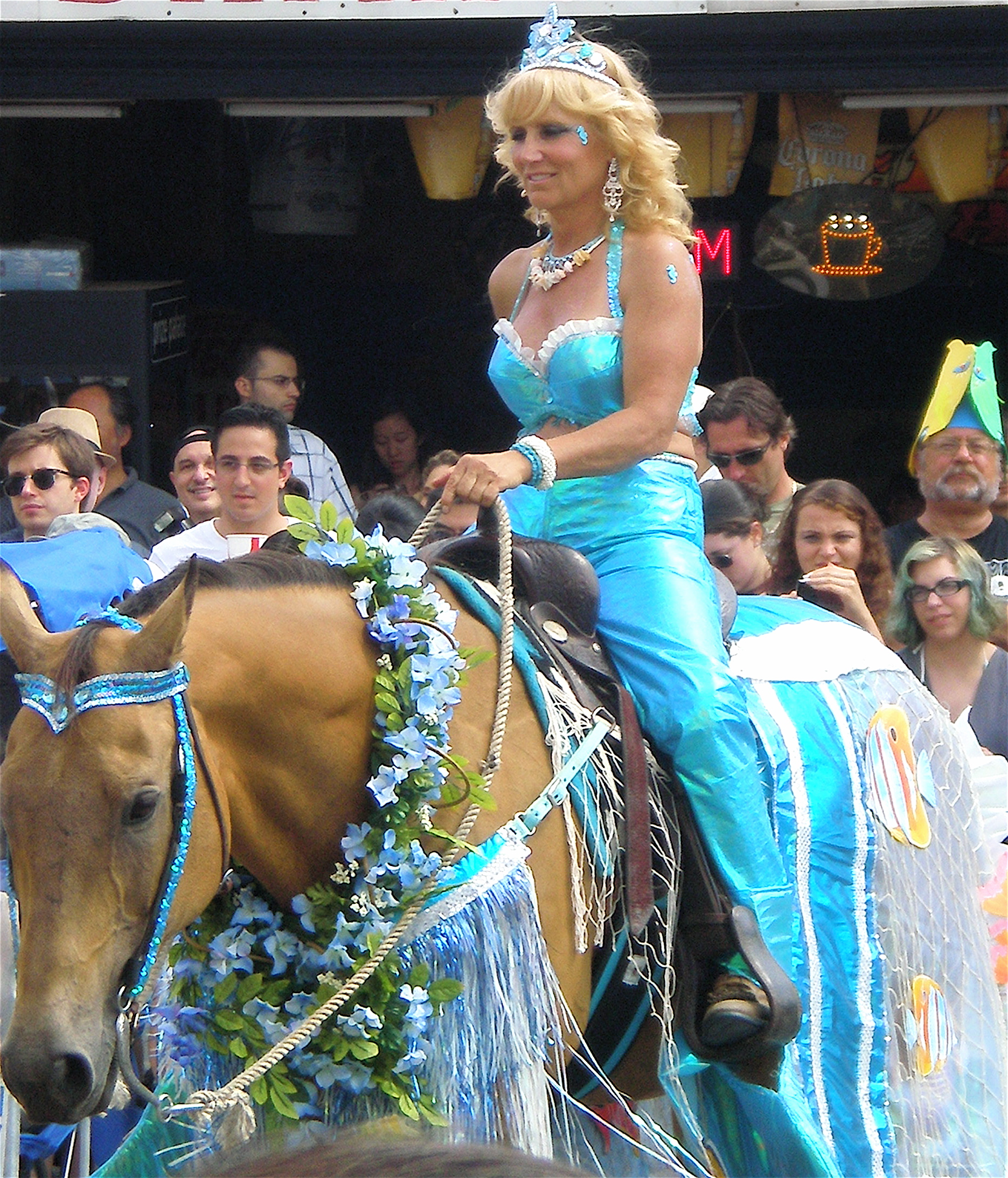
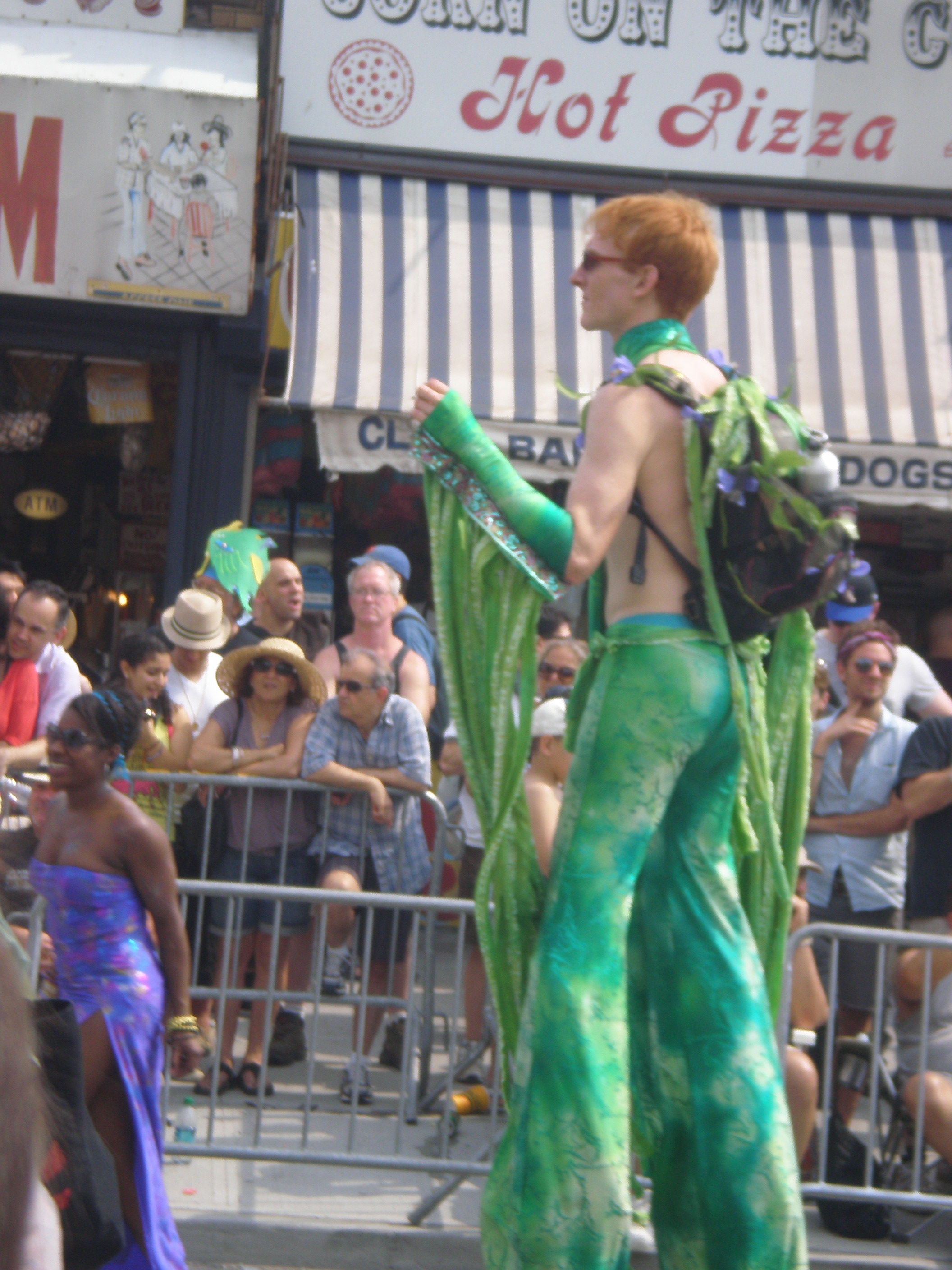
I took some 2011 Coney Island Mermaid Parade pictures.

I hear 2011 is the year of the mermaid trend.

2011 Gabby Awards: The After Party

14 Jun

Are you sick of hearing about the 2011 Gabby Awards yet?  I’m going to skip over the actual awards ceremony itself because as the main event it’s already gotten press coverage elsewhere.  What I want to talk about now is the after party!  I mean, let’s be honest here, most of the time when you’re at home on your couch watching the Academy Awards and the Grammy Awards you have to sit through an awful lot of boring acceptance speeches.  Don’t you really wish you could find out who’s dancing with whom at the after parties?  I have to hand it to the Gabby Awards, though: instead of a bunch of “I’d like to thank my publicist” speeches, the winners shared beautiful and tender stories of immigration and growing up Greek American.  I was thoroughly engaged and inspired.

After the 2011 Gabby Awards ceremony on Ellis Island, we boarded a ferry to Chelsea Piers.  You may recall I recently spent an afternoon exploring Chelsea Piers.  Not surprisingly, the awards ceremony had run waaaaaaay over schedule.  Hey, we were on Greek time, what do you expect?  We’re notorious for being late.  We were tired and hungry and probably felt a tinge of what our Greek ancestors felt when they were coming into Ellis Island all those years ago.  The pitch-black sky was perfect for witnessing the surprise Gabby Awards founder Gregory Pappas had arranged: the Empire State Building lit up in the colors of the Greek flag!

When we got to Chelsea Piers at 11:30 pm, Greek American Iron Chef Cat Cora had prepared a special buffet dinner for us.  Cat Cora was raised in Jackson, Mississippi, so her food is a unique pairing of Greek and Southern flavors.  Unfortunately for me (a vegetarian), both Greek and Southern cooking tend to focus on meat.  My tablemates told me the moussaka was delicious.  I particularly enjoyed Cat Cora’s melitzanosalata (a flavorful eggplant spread) and her more innovative asagio orzo.

If you go to Cat Cora’s website, she offers some free recipes.  My dad is obsessed with avocados (you’ll have to wait to read my memoir for the story behind this) so I want to tell him about her avocado tzatzkiki spread.

I have to admit, though, I have a bit of a sweet tooth, so even before I checked out the main course I was at the dessert table!  And it was to the dessert table I kept returning.  There were too-pretty-to-eat cookies by Eleni’s, a bakery I’ve languished in many times.  There were tiny squares of bliss by Chocolat Moderne.  I’m a sucker for gourmet chocolates.  What I loved about Chocolate Moderne, founded by Greek American chocolatier Joan Coukos, is that the gourmet chocolate company invokes classic Greek flavors in their chocolates.  Does Kalamata olives and chocolate sounds like a strange flavor combination?  It’s not.  It’s ammmmazing!  The dessert table also featured the best cupcake I have ever tasted, by the Greek American sisters Katherine Kallinis and Sophie LaMontagne behind Georgetown Cupcakes.  Seriously, Magnolia Bakery has nothing on Georgetown Cupcakes.  My sister’s a huge cupcake fan (not quite to the extent that my dad is obsessed with avocados but let’s just say she’s done a lot “research” into finding the best cupcakes in NYC) so I’m thinking we have to take a roadtrip to DC this summer to meet these Greek American cupcake sisters and eat their cupcakes!

As we ate all the delicious food and drank hearty glasses of pinot noir the band played Greek music.  Glykeria took to the stage to perform.  She is so cute and put on a great show.  It wasn’t long before many of us had pushed the tables and white couches away to start dancing.  Some people even got up on the tables and started dancing.  If you’ve ever been to a Greek restaurant or club, you know this is not at all uncommon.

But did I mention the dessert table??

Perks of Being a Wallflower

13 Jun

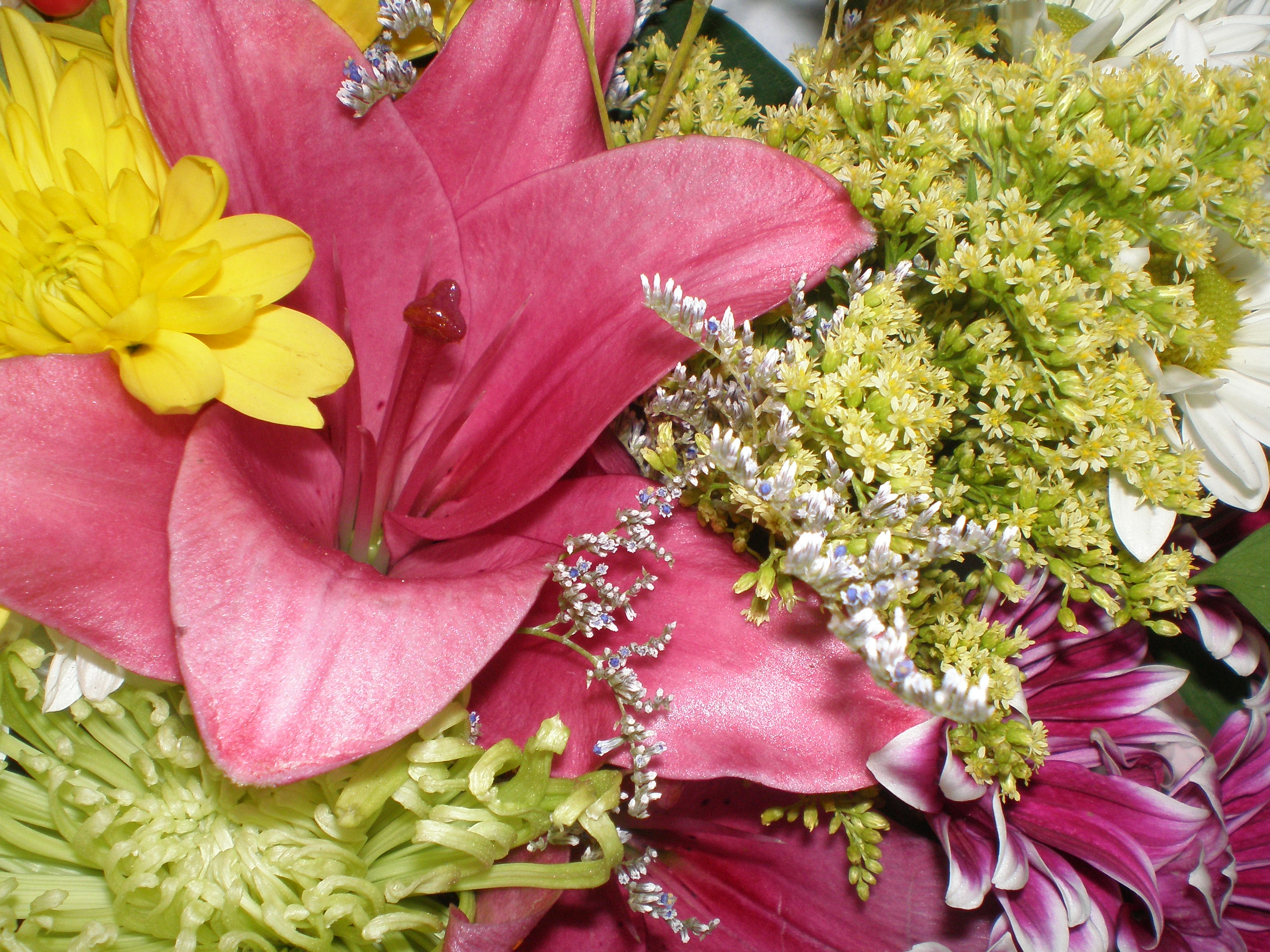
An author dropped by my office the other day with flowers! Aren’t they gorgeous?!


In case you missed them, here are some flower-related posts on Protomayia and the Feast of Flowers.

2011 Gabby Awards: Fashion Report

10 Jun

Euxaristo to all of you who have been checking out my Gabby Award coverage!  It was truly an amazing event.

Last Friday’s events for Gabby Awards Lifetime Achievement winner neon artist Stephen Antonakos and jewelry designer Konstantino were just precursors to Saturday’s main event — the presentation of the 2011 Gabby Awards!

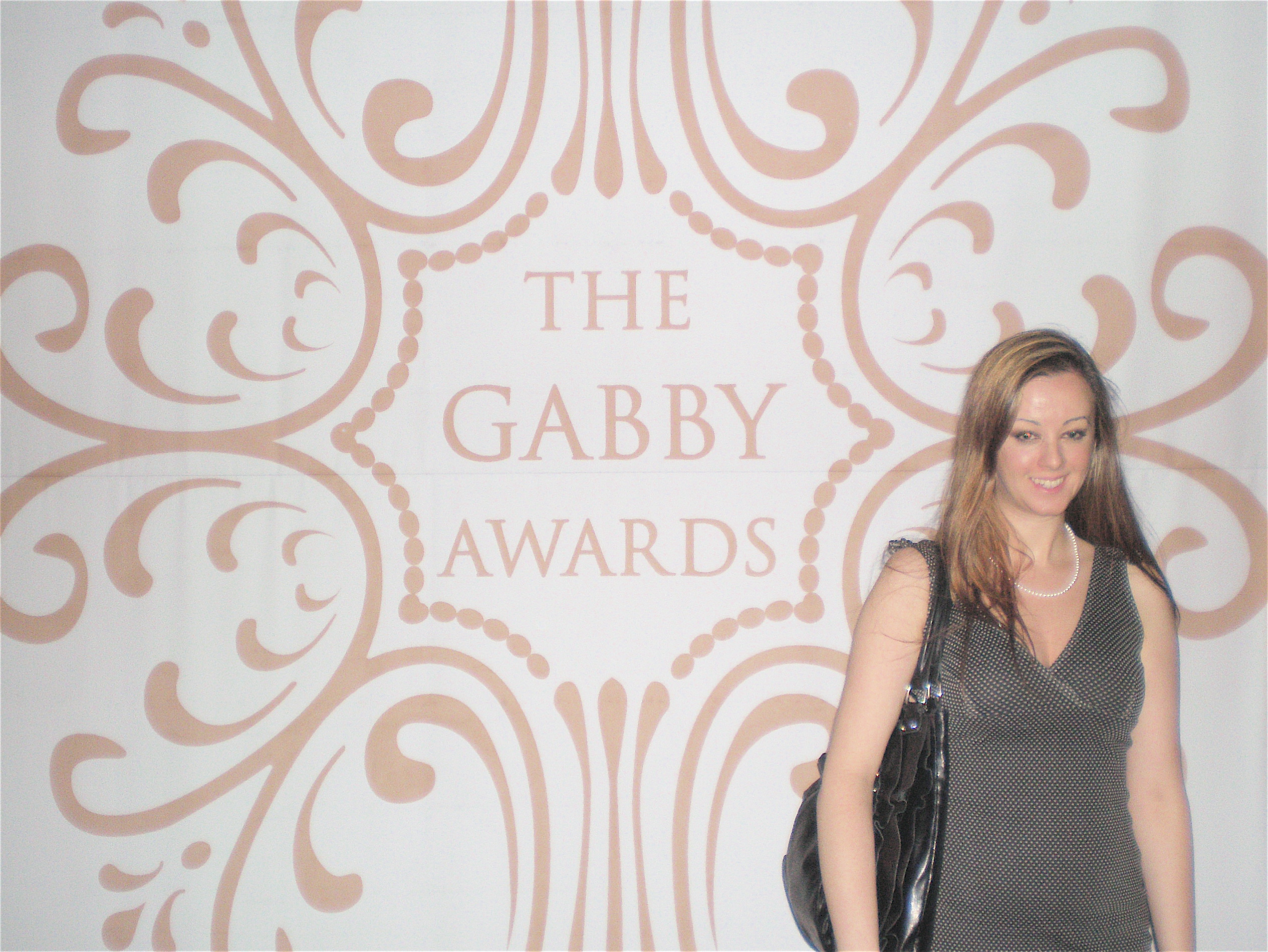
I slept in as much as I could on Saturday morning — hey, a girl needs her beauty rest if there are going to be lots of cameras around! — but I was too excited to stay in bed.  I tried to Skype my parents in Greece — I’d been going back and forth on what to wear, and my mom has a great eye for fashion and style so I wanted her opinion  — but they were out.  Fortunately, I had booked an appointment with my hairstylist, Wendy, who did a great job on my hair!  Finally, after I’d already gotten dressed and was about to head out the door, my parents Skyped me.  The dress was Mom-approved!  It had a bit of a vintage feel to it.  It was a black chiffon number with white polka dots.  It had a deep V-neck and an asymmetrical cut.  I wore it with a simple strand of pearls to kick up the 50s flair.  For makeup, I wanted a fresh, springtime look so I wore Stila lip glaze in guava, which is what a makeup artist had used on me during Fashion’s Night Out.  I spritzed on Zara Creme eau du toilette, which my sister gave me for my birthday, and then I was out the door!

Probably one of my favorite aspect of going to the Gabby Awards was seeing what everyone was wearing!  I have to say, I was quite impressed with the men — they really picked some stylin’ suits and tuxes. Gabby Award founder Gregory Pappas wins the award for coolest tie!  Meletis Koropoulis wore a sharp suit and hipster-ish glasses … perhaps we can add him to our growing “gripster” list?

Of course the women looked gorgeous, as well.  Most opted for floor-length gowns in bright colors — canary yellow, azure, and cherry red were popular.  Many wore, not surprisingly, goddess gowns.  There were also some sparkling numbers.  Melina Kanakaredes dazzled in a patterned, one-shoulder dress.  Cat Cora looked spicy in a red dress with a fantastic neckline.  Jane Monzures was looking anything but plain in plum.

Everyone looked gorgeous!  You can view photos from the event on the Gabby Awards website and on the Gabby Awards Facebook page.

2011 Gabby Awards: Official Welcome Salon

9 Jun

After the reception to honor the Gabby‘s Lifetime Achievement Award Winner Stephen Antonakos, I dashed over to the Gabby Award’s Official Welcome Salon, which was taking place a little further uptown, that same night.  Here was the teaser for the event:

Official Welcome Salon hosted by the Greek America Foundation featuring a personal appearance by internationally acclaimed jewelry designer Konstantino, and a rare opportunity to see the designer’s entire collection and purchase men’s and ladies’ items at a discount. Reception is complimentary for all Gabby Awards ticket holders and includes top-shelf premium open bar and heavy appetizers.

It was held at the Press Lounge at Ink48 Hotel, a Klimpton Hotel, located at 653 Eleventh Avenue at 48th Street.  As a writer, I find the story behind the hotel particularly inspiring.  The Klimpton Hotel chain was founded by Bill Klimpton, who first worked as a typewriter salesman and who opened Ink48 Hotel in an old printing house:

A former printing house located where 11th Avenue meets 48th Street, Ink48’s occupants have a long history of making a lasting imprint. A one-of-a-kind urban retreat with an inviting roof-top lounge, open-air gardens, and panoramic views of Time Square and the Hudson River, Ink48 offers special amenities and services to illustrate the unique signature of each guest. You’ll be invited and encouraged to make your mark in life while Ink48 provides the indelible inspiration.

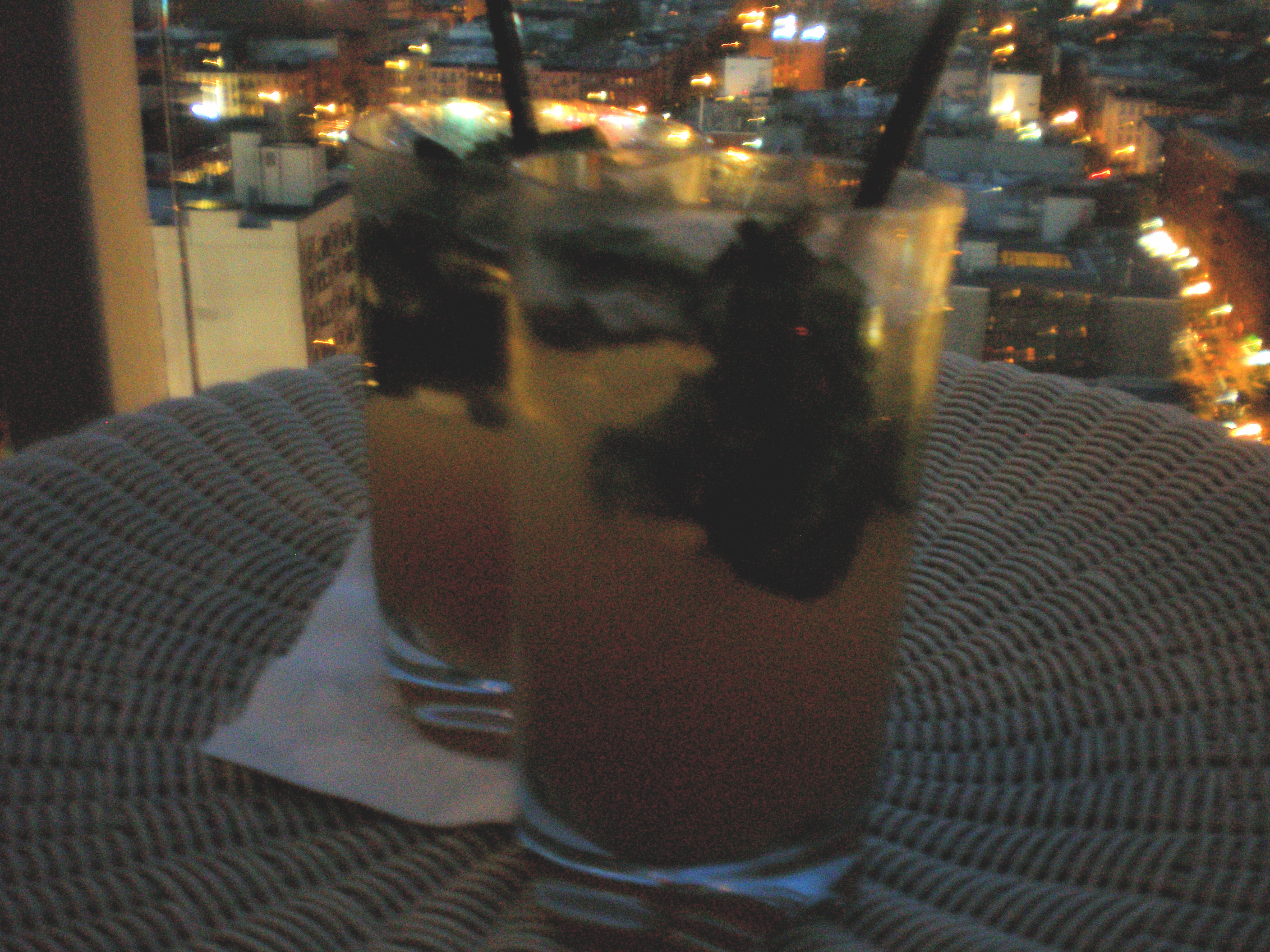
The open bar served a variety of Metaxa cocktails.  The distilled Greek spirit, founded by Spyros Metaxa in 1888, was a welcome ingredient in such drinks as the Greek Lemonade and the delicious Greek Mojito, which I tried.  You can find more recipes — like Fig Heaven, which wasn’t offered and I really want to try — on the Metaxa website.

Inside was crowded, as Greek America’s movers and shakers mingled.  I may or may not be in the background of an interview that was taking place….

Outside on the rooftop was an incredible panorama of the New York City skyline.  I mean incredible!  As in, hard to believe.  It reminded me of being at the Grand Canyon a few years ago and thinking it was all a beautiful mirage.  The Manhattan skyline, like the Grand Canyon, looked like a movie backdrop.


Photo by Annie


I stayed outside enjoying the scenery, rather than tempt myself with Konstantino‘s jewels.  Athens-born Konstantino is recognized throughout the world as a famous jewelry designer.  If anyone’s looking to impress me, you can get me the blue topaz ring from Konstantion’s Clio collection or one of the cross-shaped rings from his Classic collection.

2011 Gabby Awards: Stephen Antonakos, Lifetime Achievement Award Winner

7 Jun

I am extremely thankful to the Gabby Awards for sending me tickets to attend the 2011 Gabby Awards, a celebration of “Greek America’s Best and Brightest Stars.”  The website describes the Gabby Awards as follows:

The Gabby Awards were created to celebrate and reward the excellence Greek Americans have achieved in various fields. Founded in 2009 to also celebrate the 15th anniversary of the launching of Greek America Magazine, the Gabby Awards serve as the “Oscars®” of the Greek American community.

The 2011 Gabby Awards were held on Ellis Island, and there were special, star-studded events all weekend to celebrate.

On Friday, June 3, the American College of Greece hosted a cocktail and art exhibition to honor Gabby Awards Lifetime Achievement Award winner artist Stephen Antonakos at Lori Bookstein Fine Art.  I’m a huge fan of Stephen Antonakos’ art.  I love modern art in general but I’m particularly entranced with the idea of using neon in fine art, as Antonakos does.  Neon — symbol Ne; atomic number 10 — comes from the Greek word “νέον,”  which means “new one.”  Neon was discovered by British chemists in 1898 and made into advertising signs first in France in 1912.  It wasn’t until 1923 that neon signs were bought in the U.S.  Antonakos, who was born three years later in 1926 in Greece, move to America in 1930 and thirty years later, in 1960, began using neon in his art.  According to the Gabby Awards:

Antonakos “discovered” neon in 1960 when he was intrigued by the light emanating from midtown Manhattan neon signs. From there, he made neon his primary medium, developing his individual contribution to modern art.

I was hoping for a whole roomful of neon sculptures, but there was only one, Plea, at the Lori Bookstein Fine Art gallery.  Plea is a red rectangle, hung vertically on the wall.  Neon light emanates from behind it, making one reconsider the shape, color, and even significance of the red rectangle.

The sculptor of light, Antonakos, says:

My use of neon is really my own.  I began with it around 1960 and very soon it became central to my work.  The geometric forms, usually incomplete circles and squares, were a tremendous excitement to me.  It is very difficult to separate light from space — even when the art is directly on the wall.  For years I have been investigating the great subtlety and range of neon using forms that haven’t changed that much since the beginning.  It’s spatial qualities interest me — formal relationships within a work and with the architecture of the room or building and the kinetic relationship that viewer may feel in the space of the light.  I feel that abstraction can have a very deep effect visually, emotionally, and spatially.
Stephanie in front of Gabby Awards Lifetime Achievement Award Winner Stephen Antonakos' "Drawing/Neon For The University of Massachusetts" (1978, Colored pencil on paper, 38" x 50")

As this quote indicates, Antonakos’ artwork is about more than just neon — it’s also about shape.  At first, some of his works seem simplistic, but upon closer inspection they are brilliantly thought-provoking.  Take for instance, Drawing/Neon For The University of Massachusetts, also up at the gallery.  On top of white paper sits the outline of a circle, done in red pencil.  Except, it’s not a circle at all — there circle never closes, never completes.  It’s very nature — unending — is interrupted, challenged.

The Gabby Awards points out:

In his long and storied career, Antonakos has had more than 100 one-person shows, more than 250 group shows, and almost 50 Public Works installed in the United States, Europe, and Japan. He is recognized as the world’s pioneer light artist.

Antonakos’ Lifetime Achievement Award was presented the following night at the Gabby Awards, by Helen Evans, the Mary and Michael Jaharis Curator for Byzantine Art at the Metropolitan Museum of Art in New York City.  Friday’s event at the gallery was quite lovely, even though I wish there would have been more of Antonakos’ art on view — in particular, I want to see Mani Sky, Arrival, and Transfiguration.

The passed hors d’oeuvres were probably the best appetizers of the entire event.  I’m talking mac-and-cheese croquettes, vegetarian sushi, and other delectable treats, served by charming caterers, who caught on to my dietary choice and looked out for me, going out of their way to give me vegetarian options.
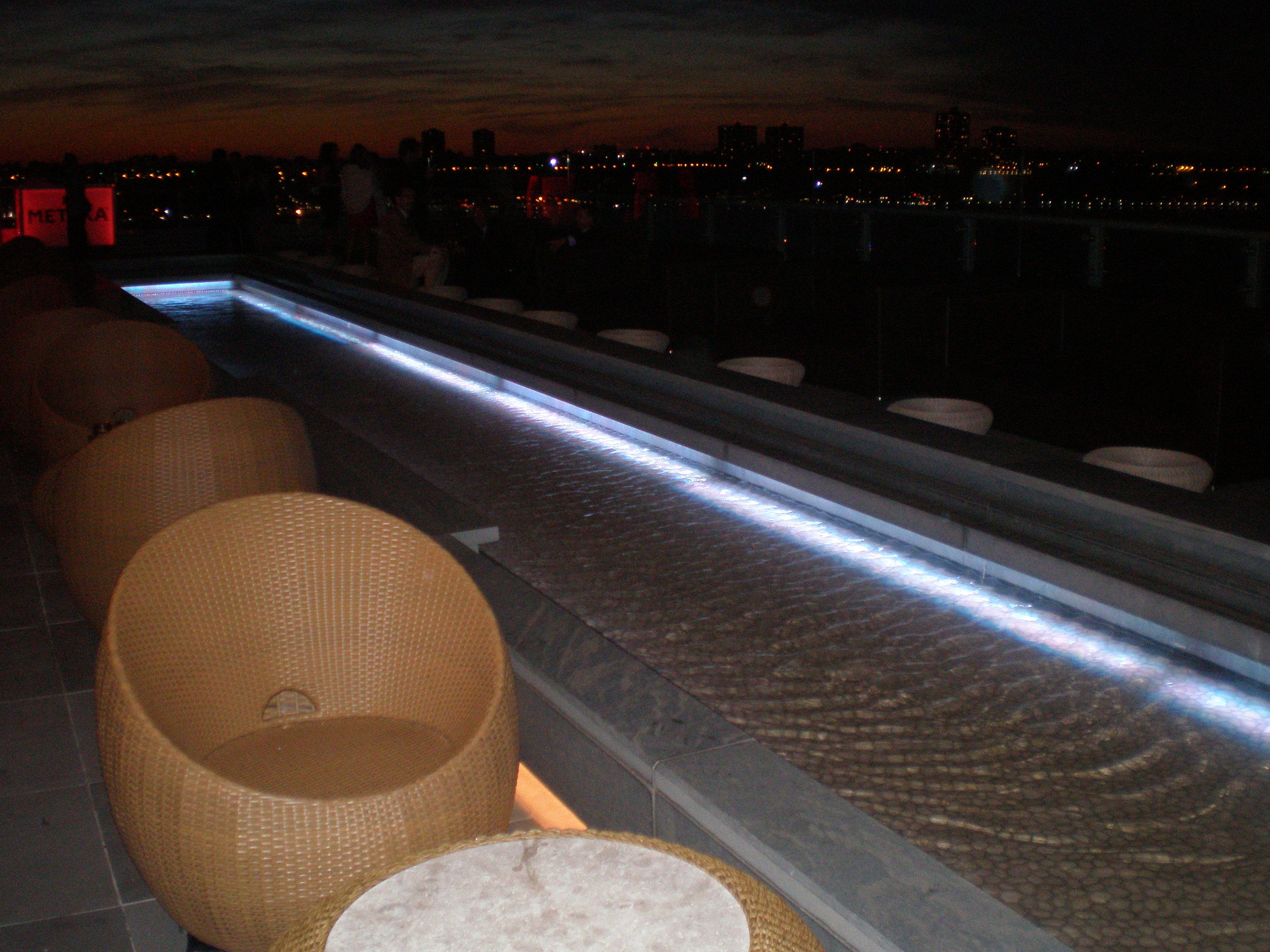
I want to also take a moment to mention Deree, The American College of Greece.  The college’s president, David G. Horner, Ph.D., was there to speak about the college’s esteemed history as “Europe’s oldest and largest, comprehensive, U.S.-accredited academic institution.”  The college offers undergrad, grad, and continuing ed courses.

Congratulations to Stephen Antonakos!  His work will be on display at the Lori Bookstein Fine Art Gallery (138 10th Ave, New York) through June 25, 2011.


Dreams of European Picnics

3 Jun


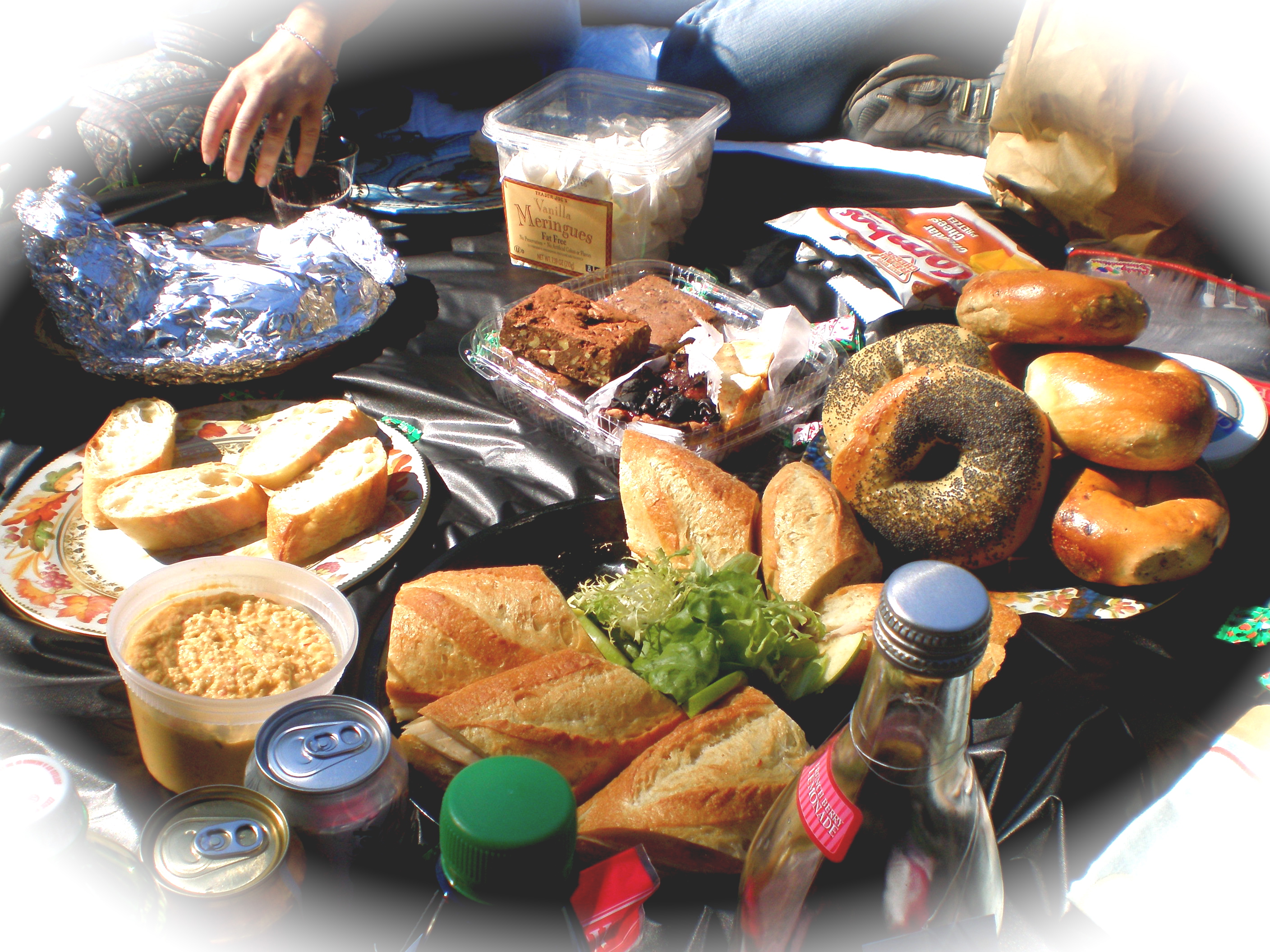
Two nonfiction writers in my MFA program individually suggested that I check out Saveur, and I’m so glad they recommended the culinary magazine to me!  It’s always full of such mouthwatering images of food and recipes I’d love to taste test.  This week, the article “Menu: A French Picnic for Early Summer” arrived in my inbox.  Sometimes I think I must’ve been French in another lifetime.  I’ve always thought of myself more as an Anglophile than a Francophile, but there’s just something so charming and whimsical about the whole French flea-market aesthetic.

A summer or two ago, I read Barry Miles’ The Beat Hotel, about the years Beat Generation writers Allen Ginsberg, William S. Burroughs, and Gregory Corso lived at 9 rue Git-le-Coeur on the Left Bank of Paris.  Wouldn’t it be lovely to have a long, leisurely picnic of baguette and chevre along the Seine?  Experiencing communion with God while drinking cabernet sauvignon and contemplating the enormous rose window of Cathedrale Notre-Dame de Paris?  Reading bohemian and Beat poetry and penning poems in a pocket journal?

Sometimes I wish the Greek aesthetic lent itself to a more feminine and whimsical feel.  I picture triangles of tiropita, squares of feta cheese generously sprinkled with oregano, and delicate twists of diples dripping with honey and cinnamon all laid out on an off-white doily-like tablecloth crocheted by my yiayia.  Someone is fingerpicking an ornate bouzouki, and I’m reading about how Allen Ginsberg sailed to Greece in 1961 to track down his love.  And I am writing stories about cultivating a garden of memories in Greece.

Greek Cookbooks at BEA 2011

2 Jun

Zigzagging my way through the Javitz Center last week at BEA, I discovered two beautifully packaged Greek cookbooks I want to share with you.


I’m a huge fan of pretty much everything Chronicle publishes, and their upcoming book Kokkari is no exception.  Written by executive chef Erik Cosselman and food writer Janet Fletcher, the cookbook gives insight into life at the Greek restaurant Kokkari in San Francisco.  Look for it this coming September.

Marketing copy not yet available, but the book will be 224 pages of text and color photography.  Just look at that cover design!  Rather than focusing only on traditional Greek fare, the cookbook will discuss contemporary Greek cooking through the lens of what is servied at the popular California restaurant.


Arsenal Pulp Press showed off last year’s publication From the Olive Grove—and with good reason: Helen Koutalianos’ and Anastasia Koutalianos‘ book pairs the history and health benefits of olive oil with classic Mediterranean recipes.

Marketing copy reads as follows:

The healthful virtues of olive oil, a key component of the Mediterranean diet, have become well-known in recent years; its monounsaturated fats and antioxidants are beneficial in preventing heart disease by controlling LDL (“bad”) cholesterol levels while simultaneously raising HDL (“good”) cholesterol levels.

Helen Koutalianos has preached the gospel of olive oil and its benefits for years; at the same time, consumers across North America have become more sophisticated and appreciative of flavorful, boutique olive oils that are not mass produced. In this charming, intimate cookbook, Helen and her daughter Anastasia have collected 150 delectable, Mediterranean-inspired recipes (Greek and beyond), many of which have been passed along from Helen’s mother and grandmother, in which olive oil is a central ingredient; these include Olive Oil Poached Lamb, Quail with Olives, Turkish Kebab with Garlic, Shrimp and Feta Casserole, Octopus in Wine Sauce, Seared Scallop and Prawn Gazpacho, Artichokes with Lemon, and Kolokethakia Yemista (Stuffed Zucchinis with Lemon Egg Sauce).

The book also takes readers through the artisan olive oil-making process, from cultivating and processing the fruit to the production of the oil itself. Complemented with full-color photographs of recipes, From the Olive Grove will seduce and inspire readers to create their own delicious, heart-healthy meals at home.


Perhaps in the downturn of the Greek economy, more Greeks have been immigrating to the United States, because I’ve noticed at least two new Greek restaurants pop up in Manhattan in the past six months.  In the past few years, Peruvian and Korean food seems to have assimilated into the culinary world, and while Greek food has been around for a while, I wonder if we might be headed into a bit of a Greek food renaissance—with a focus on new, contemporary explorations of Greek cooking.

The Buzz on Flash-mob Bees, Bowery Bees, and Greek Bee Myths

1 Jun

Oh my goodness, did you guys hear about the bees that took over Little Italy yesterday??  Apparently, thousands of bees decided to meet up at lunchtime in front of the Italian American Museum on the corner of Mulberry and Grand.  They swarmed a mailbox, completely covering its side.  This leads me to ponder two questions:

1.  Are these flash-mob bees the insect contingent of Improv Everywhere?

2.  What sort of sweet notes would a bee mail to his honey?

It also reminds me that I still haven’t told you about Bowery Bees.  On Sunday, May 8, my photojournalist friend Annie Ling and I went to the Festival of New Ideas for the New City, an incredibly thought-provoking art initiative that brought artists and thinkers together to explore ideas that could shape a new New York.  One of the collaborations was between Anarchy Apiaries, a Hudson Valley apiary run by beekeeper-artist Sam Comfort, and the Bowery Poetry Club, a performing-arts venue founded and run by poet Bob Holman.

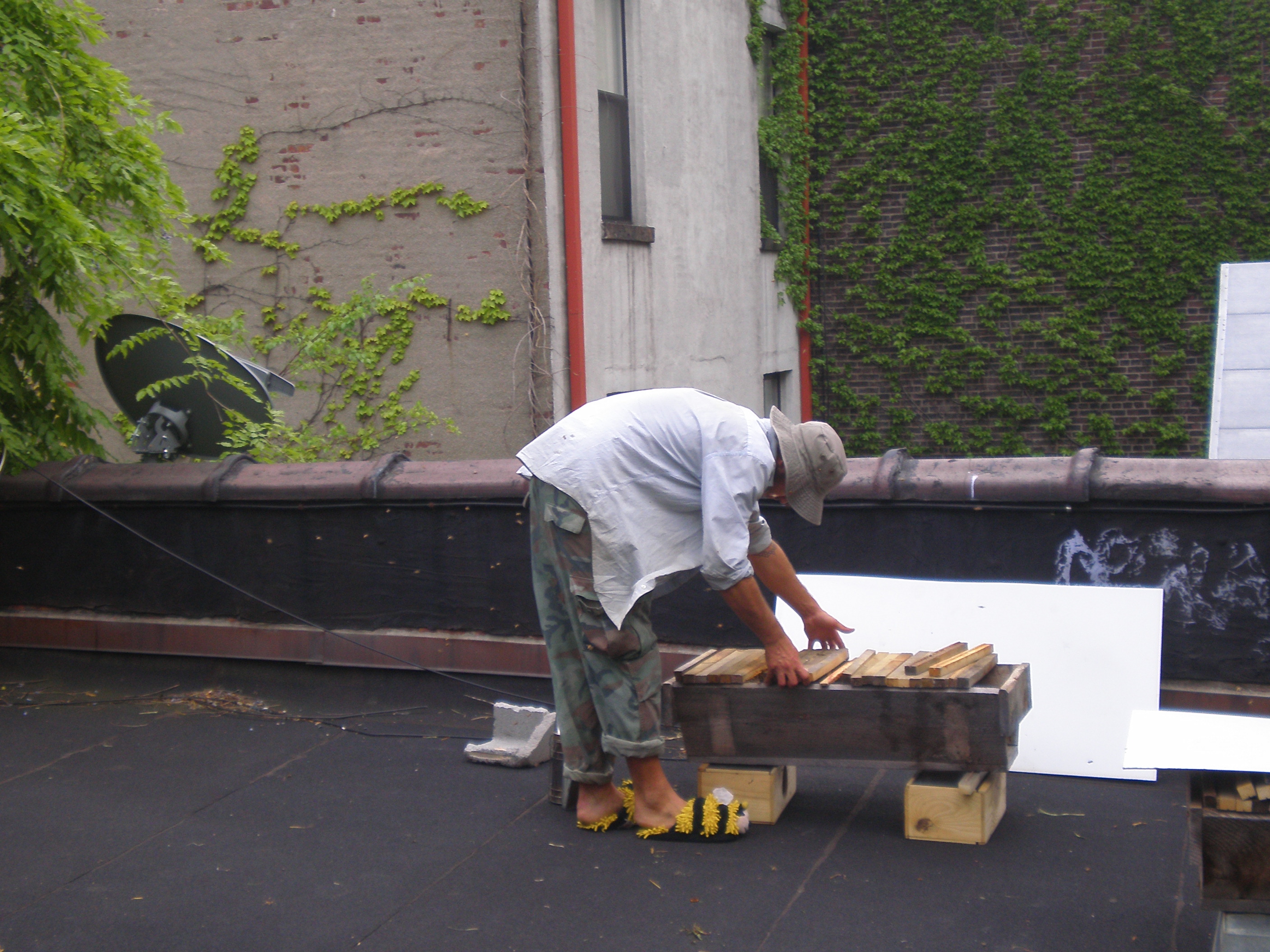
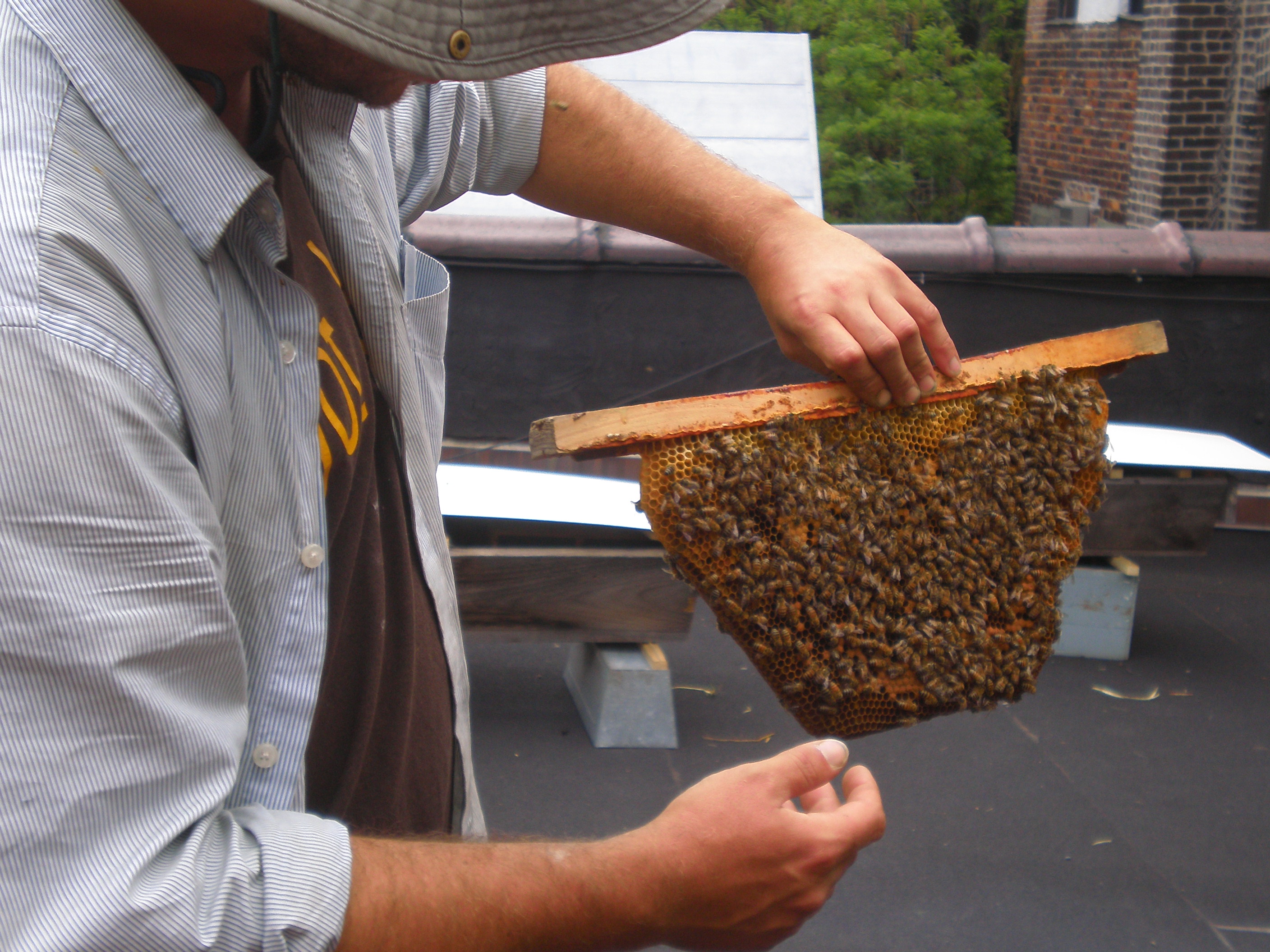
After a brief talk on bees, we climbed up to the rooftop of the Bowery Poetry Club for the unveiling of the apiary.  Sam had brought the bees down from Germantown that morning and set up hives so that Bob could start the rooftop apiary Bowery Bees.  Standing amidst the skyscrapers of Manhattan’s East Village, we witnessed the queen bee do her dance.

Even though I was afraid of getting stung, I have to admit it was rather spectacular.  My parents have a large garden in Greece, where they gather olives to make their own olive oil, and I tried to convince my dad he should set up some beehives.  Bee myths play heavily into Greek mythology and Greek literature.  Bee emblems appear in ancient ruins on the Greek islands of Crete and Rhodes.

Bowery Bees honey can be bought at the Bowery Poetry Club, located at 308 Bowery, between Houston and Bleecker.

How do you like the antenna?