Tag Archives: Writing Wednesday

Writing Wednesday: What Should I Read Next?

5 Oct

Every writer will tell you that writers should have a healthy reading habit.  The more you read, the better you write.

But what happens when you have no reading inspiration?

The website What Should I Read Next? solves your dilemma by suggesting books based on your favorite authors.

I tried it out and had mixed results.  I typed in “On the Road” and out came:

  • Martin A. Lee, Bruce Shlain – Acid Dreams: The Complete Social History of LSD: The CIA, the Sixties, and Beyond
  • William S Burroughs – Junkie (Traveller’s companion series-no.114, four Square books)
  • Allen Ginsberg, Williams/William Carlos – Howl (Pocket Poets S.)
  • Gregory Corso – Gasoline
  • Lucius Apuleius, Apuleius, Robert Graves – The Golden Ass: The Transformations of Lucius
  • William Burroughs – Naked Lunch: The Restored Text (Harper Perennial Modern Classics S.)
  • Gary Snyder – Turtle Island (A New Directions Book)
  • Paul Auster – Leviatan
  • Kesey Ken – One Flew Over the Cuckoos Nest
  • Rick Moody – Purple America
  • Siegfried Sassoon – The Complete Memoirs of George Sherston (Faber Paper-Covered Editions)
  • Charles Yu, – How to Live Safely in a Science Fictional Universe: A Novel
  • Tracy Barrett – Anna of Byzantium
  • Katsuhiro Otomo – Akira 2

So on and so forth.  Kind of a random list.  The related Beat Generation works make sense, and I can see how a few of the others speak toward a vision of America, but some of it seems just bizarre.


Writing Wednesday: Brooklyn Book Festival 2011

28 Sep

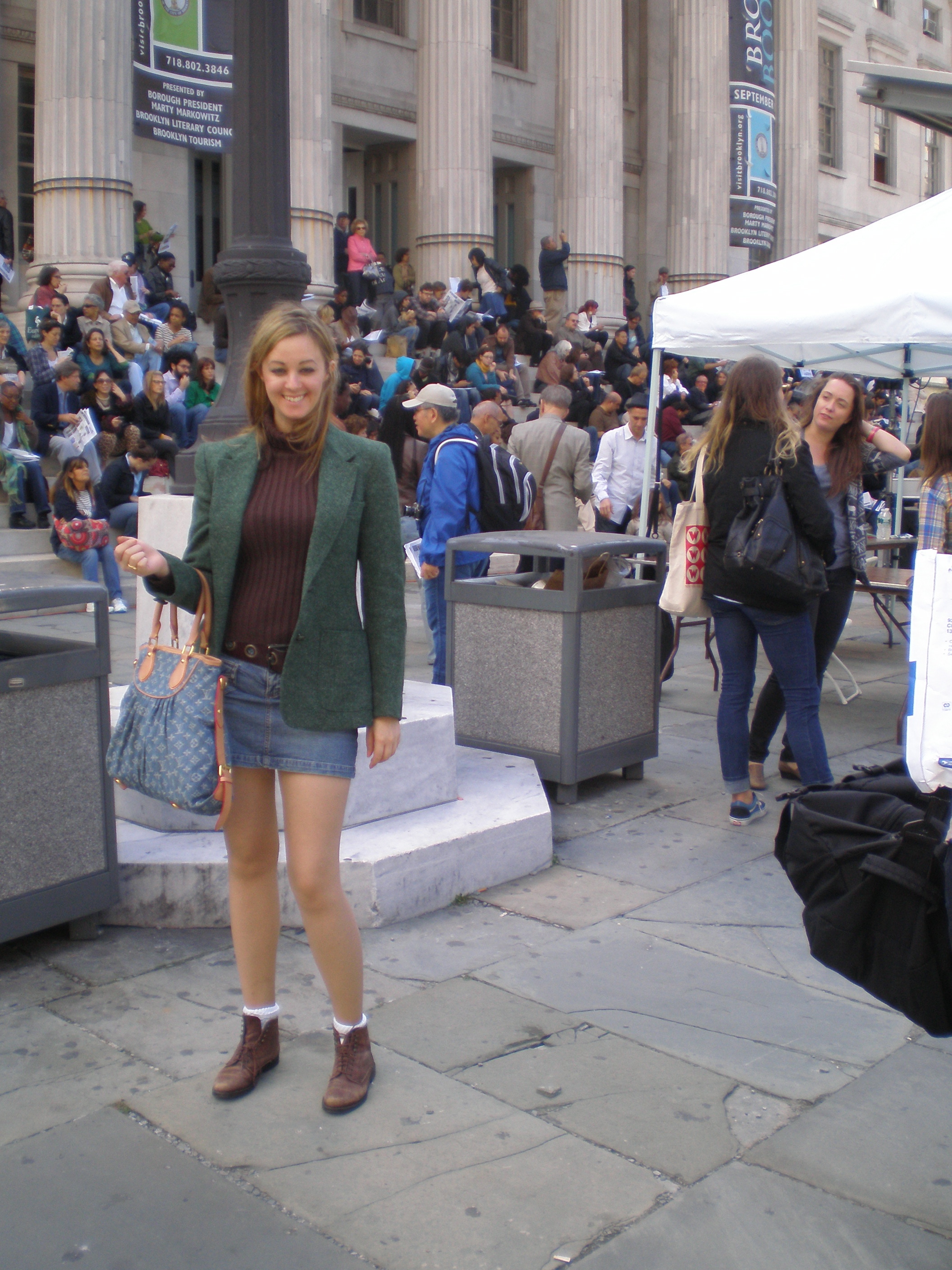
New York’s largest free literary event took place on Sunday, September 18.  That’s right — the Brooklyn Book Festival!

My writer cohort and I had such a blast zig-zagging through the tents, ducking into readings, creeping close to authors, poring over books, and running into people we knew.  She introduced me to John Woo of the Magnetic Fields.  We ran into another friend from Little, Brown and Company, who instead of going the MFA route is doing his Masters in Publishing at NYU.  I saw Alisa Harris, whom I used to work with at Patrol, and who now has her own book out.

On the speaker side of things, I got to hear my writing mentors Phillip Lopate and Darcey Steinke.  I also got to hear Mary Karr, whom I had also heard speak at FFW.  Plus so many other great speakers.


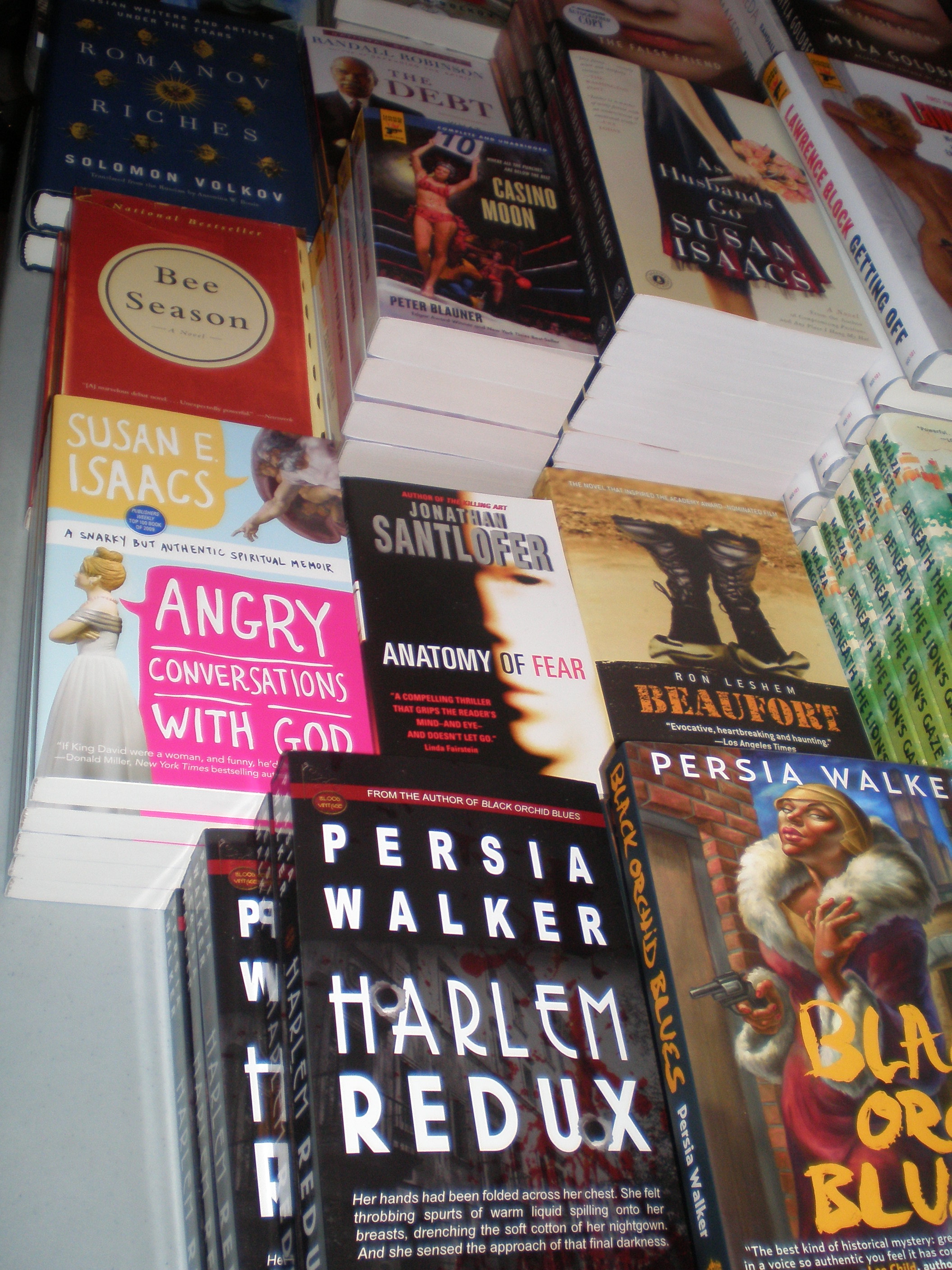
I spied my writing colleague Susan E. Isaac‘s memoir on the Greenlight Bookstore table at Brooklyn Book Fest.


…as well as Greek American Tina Fey‘s memoir.


Writing Wednesday: Story-Babies, or What I Learned about Balancing Work/Writing/Life from a Parenting Blog Post

21 Sep

Somehow, in the midst of a heat wave over the summer, I got a cold.  When I emailed my sister to complain, she lovingly sent me some kind words, saying:

Be gentle with yourself.

She related she’d read the phrase on Cup of Jo, a blog written by Joanna Goddard that my sister and I both enjoy reading.  I decided some blog reading might be a good distraction so I decided to peruse Cup of Jo, while sucking down a Coldbuster from Jamba Juice.  What I discovered was that it was Joanna Goddard’s mom, who told her, “Take gentle care of yourself.”  The advice was part of a series on juggling work/baby/life.

I don’t have a baby—at least not in the obvious sense.  Jack Kerouac once said:

“I’m going to marry my novels and have little short stories for children.”

I rather like that.  Although I don’t have flesh-and-bone babies, I am constantly giving birth to little stories.  I have my work-work (the 9-to-5 job that pays the bills) but I also have my “babies” (my creative writing projects).  Oh sure, if I don’t “feed” my book, I won’t be taken away by Child Protective Services, but I feel guilty when I don’t spend quality time with my story.  Like a parent, I feel like my life (sleep, socializing, etc.) often suffers as a consequence of my story-baby.

I turned to the Cup of Jo series on work/baby/life balance fully admitting that a book and a baby aren’t the same thing, but hoping to glean some useful tips.  Some of it gave me hope … and some of it made me bitter.

What I took away from the work-life balance series:::

  • Take care of emails in batches.  Ie, first thing in the morning and last thing at night.  That gives you more time than constantly checking your inbox.
  • Some things will inevitably slide.  Mothers who work full-time and don’t have nannies around 24/7, don’t look as put together as Katie Holmes and Angelina Jolie.  Writers who work full-time and go to grad school full-time and freelance may have bad hair days.
  • Some mothers can get nannies or hubbies to help out.  Writers are the only ones who can write their books.
  • Maybe instead of paying babysitters for a little free time, writers pay delivery men and cleaners for a little free time.
  • I’m not the only one holed up in my room.  Writers, freelancers, and moms work from home.  Maybe a trip to the playground is in order at lunchtime.
  • Compartmentalize.  Work hard and stay focused on the task at hand, instead of giving into distractions that lead to one job eating into the next.
  • Pamper yourself.  Moms almost never get time to themselves, and when they do they spoil themselves with pedicures.  Mental health days are okay to take.  Doing nice things for yourself is okay.  Writers, take note.
  • Create a schedule, tweak as necessary.  It helps mommies and writers to have a game plan for each day.
  • Make time for your husband, or in the writer’s case, a good book.  We write because we first loved books.  We need to always cherish the art of literature and never neglect it, lest we begin to lose our passion and vision.

I wonder if other writers feel like their books are all-consuming babies sometimes.

Writing Wednesday: Twice a Week

7 Sep


One of the hardest things about writing isn’t the actual writing—it’s finding time to write.  Laura Vanderkam asks, “Can You Try Twice Per Week?” on her 168 Hours blog.

Vanderkam cautions against all-or-nothing thinking.  As in, I must write every single day or else I’ll give up.  I’ve heard time and time again, writers preach on the importance of writing every single day.  I always end up feeling defeated.  How can I work full-time, accomplish errands, and still find time to write every day?  Oh, and I rather like having some sort of social life, so how can I do all that and still have a life?  Vanderkam’s approach is refreshing.  She advises on making priorities out of the things we want to do but actually being reasonable about it.  She suggests that, given the 168 hours we have during the week, we can probably find two days during the work week to devote to that priority.

One way to find extra time, she says, is to wake up early.  Ugh.  Not what I wanted to hear.  I’m not a morning person.  But the truth is, by the time I’ve run from work to class to dinner, the last thing I want to do is write at the end of the night.  I haven’t tried waking up early to write, but I may give it a shot.

I first heard Vanderkam speak at MediaBistro’s book club and then went on to read her book, 168 Hours: You Have More Time than You Think.  I’d highly recommend it to … well, everyone.  I hear so many people say they don’t have time for writing or for spending time with their family or for whatever it is they want to do, and this book shows that we actually do have time for a lot of what we want to do – we just have to respect the time we’re given and get the most out of it.

Can you wake up early twice a week to work on your writing?

Writing Wednesday: Abstract Shapes on the Met Rooftop

31 Aug


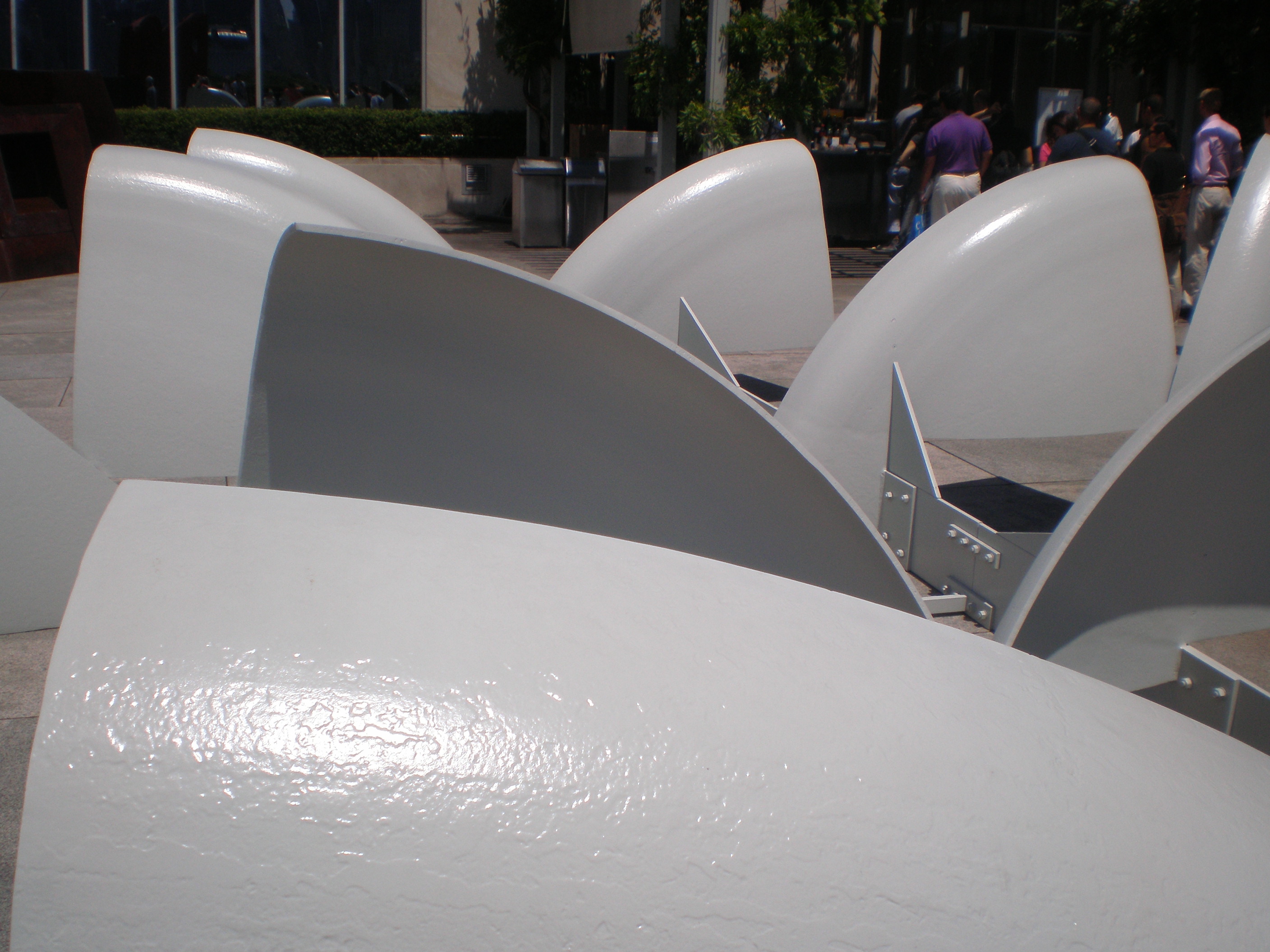
More scenes from the Met rooftop.  These are sculptures by Sir Anthony Caro.

For a writing exercise, try describing these abstract shapes.

Writing Wednesday: MediaBistro Book Club’s August ’11 Reading

31 Aug

I’m becoming a regular at MediaBistro Book Club.  It’s one of my favorite reading series, essentially because it’s targeted toward people specifically in book publishing, so I get an opportunity to hear some great literature and chat with fellow book publishing professionals.

Usually when I attend publishing networking events it’s just other editors there, and when I attend readings it’s just bibliophiles and aspiring writers there.   MediaBistro Book Club is one of the rare readings that’s actually geared towards those who work in the publishing industry.

This time around the MediaBistro Book Club was held at the Union Square Lounge, which provided an intimate set-up and good drink specials.  I attended with one of my co-leaders from the Redeemer Writers Group and Burnside Writers Collective’s new fiction editor Mihaela Georgescu, and met some other creative writers, editors, designers, and production editors while mingling.  Here’s a photo of me at the event.

Everyone always talks about how small the industry is, and the more I attend readings and connect with people through social media the more I see this to be the case.  I spied David Goodwillie, whom I heard read at the reading The Shrinks Are Away, chatting it up with MediaBistro Book Club reader Andrew Foster Altschul.  It wouldn’t surprise me at all that they’re friends, given their cultural critiques.

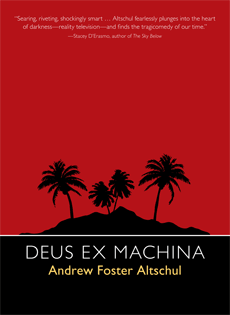
Altschul’s Deus Ex Machina is a scathing look at reality tv.  He’s also the author of Lady Lazarus.


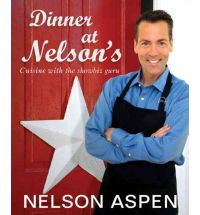
Nelson Aspen is the Ryan Seacrest of Down Under.  He dished on being an exercise trainer to Princess Diana and meeting the official voice of Fred Flinstone (he even sang the Flinstones theme song!), as he told us about his celebrity cookbook Dinner at Nelson’s.


Margaret Floyd took the food talk in a more nutritional direction when she talked about her discovery of just how much food influences health and well-being.  She tells all in Eat Naked Now.


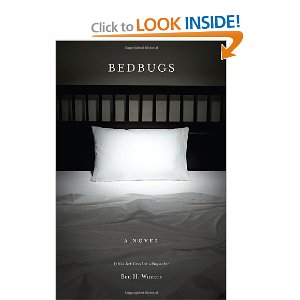
Ben H. Winters claims he never had bedbugs even though he says 1 out of 3 New Yorkers have had them—even though no one will admit to it.  He wrote a whole fright-fest called Bedbugs.


After the readings there was a spirited Q&A, where Aspen said he believes self-publishing is the way to go and Winters said he hatched Bedbugs with his publisher, one of my favorite book publishers Quirk Books, and therefore never even had to submit a book proposal.  Interestingly, the fiction writers, Altschul and Winters, knew they wanted to be writers (instead of lawyers, which their parents’ wanted them to be), while the nonfiction writers, Aspen and Floyd, said that getting published was something that happened organically because of their other passions.  I think the lesson for nonfiction writers is that in addition to a desire to write you should have a passion for another subject.

See you at the next reading on November 17?

Writing Wednesday: Writing While Sailboats Float By

24 Aug


There are days when I’m in the mood to write, to let the words flow freely onto the paper, only to end up feeling all angsty sitting up in my room, all alone in front of the computer.  Writing can feel so isolating sometimes.  In the summer, when the weather’s warm, I want to sit outside in the grass or at the beach, instead of in my room or in a café.  To remedy my desire to both write and enjoy some sunshine I’ve been taking my work outdoors.

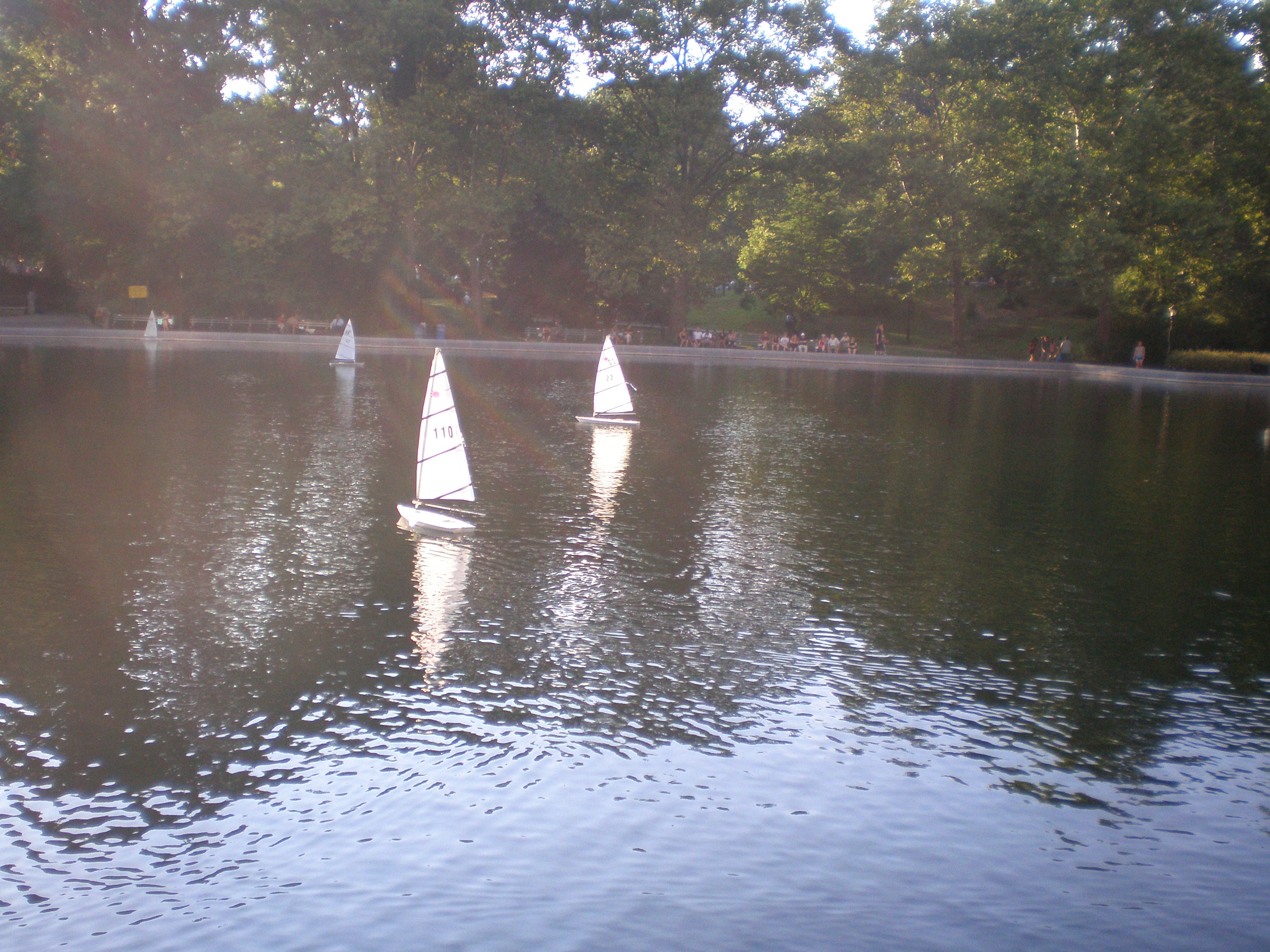
The other day I packed up an essay I’d been working on and went to Central Park.  If you enter in the East Seventies, there’s a man-made pond, where you can rent toy sailboats.  There are a ton of benches and lots of sunshine even in the evening hours, so it makes for a great writing spot.

Being outside writing made me feel so productive!  I felt like I was not only getting my writing done but that I was still taking advantage of the last month of summer and the beauty of living by Central Park.

Writing Wednesday: “The Help” Was Rejected 60 Times!

17 Aug


I’ve been in publishing mode.  I had a bunch of essays that aren’t necessarily part of my in-progress memoir that I’ve been sitting on so I’ve been sending them out to various publications.  I have to admit, submissions/querying is a scary process.  You work so hard on the writing, only to end up wondering if it will ever see the light of day….

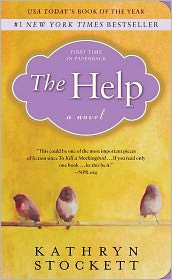
I was super encouraged to read that Kathryn Stockett’s best-selling novel, The Help, was rejected SIXTY times!  It’s not so much schadenfreude as it is encouragement and motivation to not give up.  Stockett shares her experience in this article on Shine.

While the premise of the article is to not give up on your dream and to keep sending out your writing, I think it’s important to note that Stockett kept revising and improving her novel whenever she got feedback from an agent or editor on why it was rejected.  Perseverance is all good and well, but perseverance without a good product is pointless.  Stockett worked like mad—even to the point a nurse had to tell her to put the book down because she was going into labor—to make her manuscript the best it could possibly be.

The moral: Find out why your writing got rejected and use the criticism to improve your work.

PS:  This works in all areas of your life.

Writing Wednesday: Michael Hyatt’s 5 Steps to Building a Platform When You Hate Selling Yourself

27 Jul

Photo courtesy of ©iStockphoto.com/tap10 / via Michael Hyatt

In a recent blog post, Michael Hyatt, chairman of Thomas Nelson Publishers, listed the “5 Steps to Building a Platform When You Hate Selling Yourself.”  If you go to the blog post you can read the five steps, but I want to point out one line I especially liked.  In one of the steps Hyatt says that writers should share relevant news about their writing.  For example, we should share if we’re doing a reading or were recently published.  He says:

This isn’t selling; it is informing.

So true.  Self-promotion always feels like bragging, but the way I think of it is that I’d want to know if my favorite writer were doing something cool and wouldn’t think they were showing off if they informed me of their upcoming book or recent clip.

So, what would you like to inform me of?

Writing Wednesday: Memoirist Patricia Volonakis Davis on Finding a Direct Line to Your Readers

20 Jul

In my last Writing Wednesday post, I wrote about how memoirist Patricia Volonakis Davis discussed the role of marriage and moving in one’s sense of cultural identity in her deliciously titled memoir Harlot’s Sauce.  In Jane Friedman’s Writer’s Weekly interview, “How to Find a Direct Line to Your Readers,” with Davis, the memoirst divulges some great tips on building a platform and reaching out to potential readers.

When thinking about her readership and trying to build an audience, Davis says:

I contacted Italian-American groups, and philhellenic groups (groups of people who love Greece).

I contacted websites, magazines, blogs that focused on female empowerment and personal growth.

In short, I made a list of the topics I visited in my story, and worked from that, writing articles to appeal to those readers in particular, and posting them on sites that had already cultivated a readership catering to those interests.

This is such great advice!  When I was discussing my memoir with someone recently, the woman with whom I was speaking wondered why I was writing about growing up Greek American.  She happens to know me very well and suggested that I have much more to share with the world than my ethnicity.  She’s right, of course, and I tried to explain that my memoir is actually about so much more than just growing up Greek American.  If I were to make a list similar to Davis’, the topics I touch on and the readers I would reach out to include:

Greek Americans

Swedish Americans

Expatriates: Americans (and other foreigners) living in Greece

First- and second-generation Americans: besides Greek and Swedish, also Korean and Japanese

Protestants

Greek Orthodox believers

People from northern New Jersey

Children of the 1980s

Graduates of women’s colleges

It’s my sincere hope that my memoir speaks to a wide variety of people, uniting readers of various upbringings.